


What metals can be etched with ferric nitrate?
Ferric Nitrate (Fe(NO₃)₃·9H₂O) removes metals specifically from copper, silver, and certain alloys by oxidation. It works especially well on copper surfaces in printed circuit boards and silver parts in woodwork that is used for decoration. When handled correctly, the nonahydrate form keeps its constant reactivity and gives uniform etch rates. Unlike strong chloride-based etchants, this oxidising agent changes the surface in a controlled way without attacking the base metal too much as long as the right conditions are kept.
Introduction
For companies that make gadgets, treat surfaces, and do speciality crafts, knowing which metals react to which etchants affects the purchases they make. Like other chemical oxidisers, Ferric Nitrate nonahydrate has clear reaction pathways and can precisely scratch some metals while having problems with others. To keep production from being held up and materials from going to waste, purchasing managers and technical engineers need clear data on how well materials work together.
This guide looks at the chemical processes that etch metal, compares different options, and lists things that industrial buyers should think about when they want to find stable suppliers. To help people make smart sourcing choices, safety rules, environmental concerns, and cost-effectiveness are all given similar weight.
Understanding Ferric Nitrate and Its Chemical Properties
Chemical Structure and Physical Characteristics
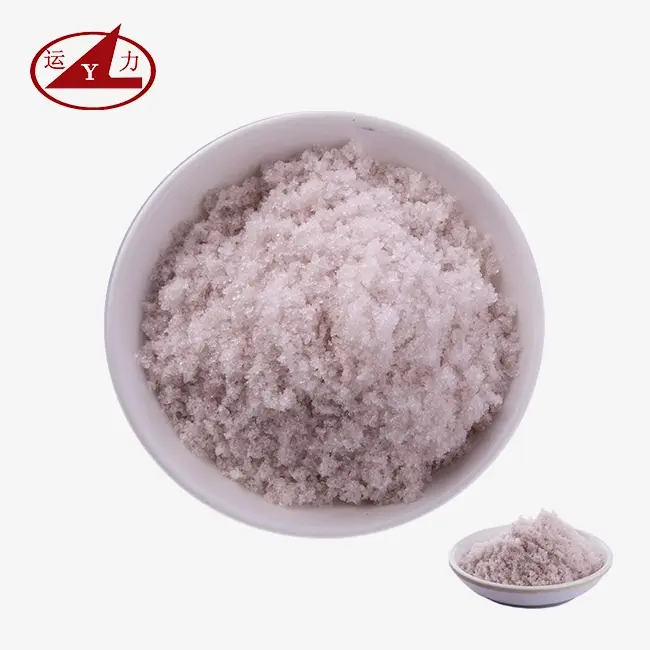
The molecular formula for Ferric Nitrate nonahydrate is Fe(NO₃)₃·9H₂O, and its molecular weight is 404.01 g/mol. It looks like purple crystals. The specific density of this deliquescent substance is 1.68, and its freezing point is 47.2°C. It is very easy to dissolve in water, ethanol, and acetone because it has nine water molecules in its solid structure. At 125°C, thermal breakdown starts, releasing nitrogen oxides and leaves behind iron oxides. Because the material tends to soak up water from the air, it needs to be stored in a controlled way to keep its crystallinity.
Oxidizing Properties and Reaction Mechanisms
The chemical is a Class 5.1 oxidiser, which means it helps electron transfer processes happen that turn metal surfaces into metal salts that can be dissolved in water. Ferric ions (Fe³⁺) take electrons from metals with lower reduction potentials when they dissolve in water. The metal target is oxidised by this redox process, which also changes ferric ions to ferrous ions (Fe²⁺).
The nitrate anions are mostly just bystanders, but they do make the fluid more acidic, which speeds up the breakdown of metals. This compound's ability to oxidise and acidify in two ways makes it useful for specific metal removal. The rate of the reaction is affected by the temperature, concentration of the fluid, and where the metal is in the electrochemical chain.
Safety and Handling Protocols
When used in industry, Safety Data Sheet requirements must be strictly followed. Due to its acidic and oxidising properties, the chemical irritates the skin. Organic materials can catch fire or explode, so they need to be stored separately from things that can catch fire. When handling people, you need to wear gloves that can withstand acid, safety glasses, and make sure there are enough airflow. Before getting rid of a spill, it should be neutralised with sodium bicarbonate as part of the control steps. Because the material is deliquescent, it needs to be kept in sealed cases below 30°C to keep it from melting. Equipment made of stainless steel or plastic is better at resisting rust than carbon steel, which may break down faster in acidic settings.
Environmental Considerations
Used etching solutions have metal ions and nitrates that need to be treated before they can be thrown away. To stay within the rules for wastewater management, methods like pH neutralisation, metal precipitation, and nitrogen reduction are often used. The nitrogen presence could cause eutrophication if it gets into rivers without being cleaned up first. Facilities with well-developed environmental safety systems can handle these types of garbage well, but smaller businesses may need to hire outside services to handle their toxic waste. The right way to get rid of trash is in line with EPA rules in the US and similar rules in other countries.
What Metals Can Be Etched with Ferric Nitrate?
Copper and Copper Alloys
Copper and Ferric Nitrate etchants work well together, which is why this mixture is often used to make printed circuit boards. Cu + 2Fe³⁺ → Cu²⁺ + 2Fe²⁺ is the reaction that takes place. The copper(II) ions that are left dissolve into the solution, leaving behind clean scratch lines. Etch rates are usually between 0.5 and 2.5 micrometres per minute, but they can be higher or lower based on the temperature (30–50°C), the concentration of the solution (30–45% by weight), and how it is stirred.
Brass and bronze metals with a lot of copper also react in a predictable way, though zinc or tin parts may change how evenly they scratch. The lower chloride content compared to ferric chloride systems is appreciated by people who make circuit boards because it lowers the risk of rusting in stainless steel processing equipment.
Silver and Silver Alloys
Oxidation of silver is another important use for Ferric Nitrate that shows controlled reaction. Diluted solutions (10–20% strength) are used by jewellery makers and artistic metals shops to get fine details without undercutting too much. Silver is turned into silver ions by the process, which can still dissolve in the acidic medium. Sterling silver, which is 92.5% silver and 7.5% copper, etches evenly because the two respond at about the same speed. This feature makes it possible to copy patterns precisely for artistic purposes. Controlling the temperature between 20°C and 30°C keeps the scratch level the same on all workpieces.
Limitations with Other Metals
Under normal circumstances, Ferric Nitrate doesn't combine well with aluminium, stainless steel, or nickel. Aluminium creates a protected oxide layer that is hard to attack, so it needs different etchants, such as liquids of sodium hydroxide. Because of chromium oxide passivation, austenitic stainless steels (304 and 316 types) don't respond much..
Because nickel is high on the electrochemical line, ferric ions don't have enough oxidising potential to make etch rates useful. Some rusting happens on the top of carbon steel, but it doesn't come off as easily as copper or silver. Because gold and platinum don't react with this etchant, it can't be used to work with valuable metals other than silver.
Case studies from companies that make devices show that copper removal rates are consistent as long as solution factors stay within control ranges. One medium-sized circuit board factory said that they could copy patterns 99.2% of the time using 40% Ferric Nitrate liquids at 45°C and spray application methods. Using immersion methods with 15% solutions, another artistic metalwork business was able to achieve a 15-micron precision on sterling silver.
Ferric Nitrate Compared to Other Etching Agents
Ferric Chloride versus Ferric Nitrate
Both substances are good at scratching copper, but there are some important differences that affect which one to use. Ferric Chloride (FeCl₃) usually costs 15–25% less per kilogram and erodes a little faster. But chloride ions eat away at stainless steel equipment quickly, which raises the cost of upkeep. Ferric Nitrate solutions make settings that are less acidic, which means that equipment lasts longer in places where stainless steel tanks and pipes are used.
The way waste is treated is also different. Streams that are high in chloride need silver precipitation if any silver processing is to happen on-site, while nitrate waste is mostly about getting rid of nitrogen. Environmental laws are looking more closely at chloride flows near sensitive waterways and sometimes prefer nitrate-based systems even though they cost more to build.
Alternative Oxidizers
Copper can be etched with ammonium persulfate without using chloride, but it needs to be heated to 50–60°C for good etch rates, which costs more in energy. Another choice is to mix hydrogen peroxide with sulphuric acid. This gives you fast etching with reasonable waste streams, but you need to be careful when handling and storing hydrogen peroxide. Sodium persulfate can be used at room temperature, but it creates sulphate waste that needs to be treated in a certain way. Each option has pros and cons when it comes to speed, cost, equipment fit, and how hard it is to handle waste.
Purity Grades and Performance Impact
98% pure industrial-grade material is good for most metal etching tasks where small amounts of flaws don't have a big effect on the results. Laboratory-grade forms that are 99.9% pure are used to make catalysts and pharmaceutical intermediates, both of which need to avoid contamination as much as possible. High-purity grades cost 40–70% more per kilogram, but they make the process more precise.
For large industry users, consistent quality is more important than total purity, and they are willing to accept lower grades when the requirements allow it. When buying things, people have to weigh the needs for purity against the limits of their cash. Technical teams decide what levels of impurity are okay for different uses.
Procurement Insights: How to Buy Ferric Nitrate for Industrial Use
Supplier Selection Criteria
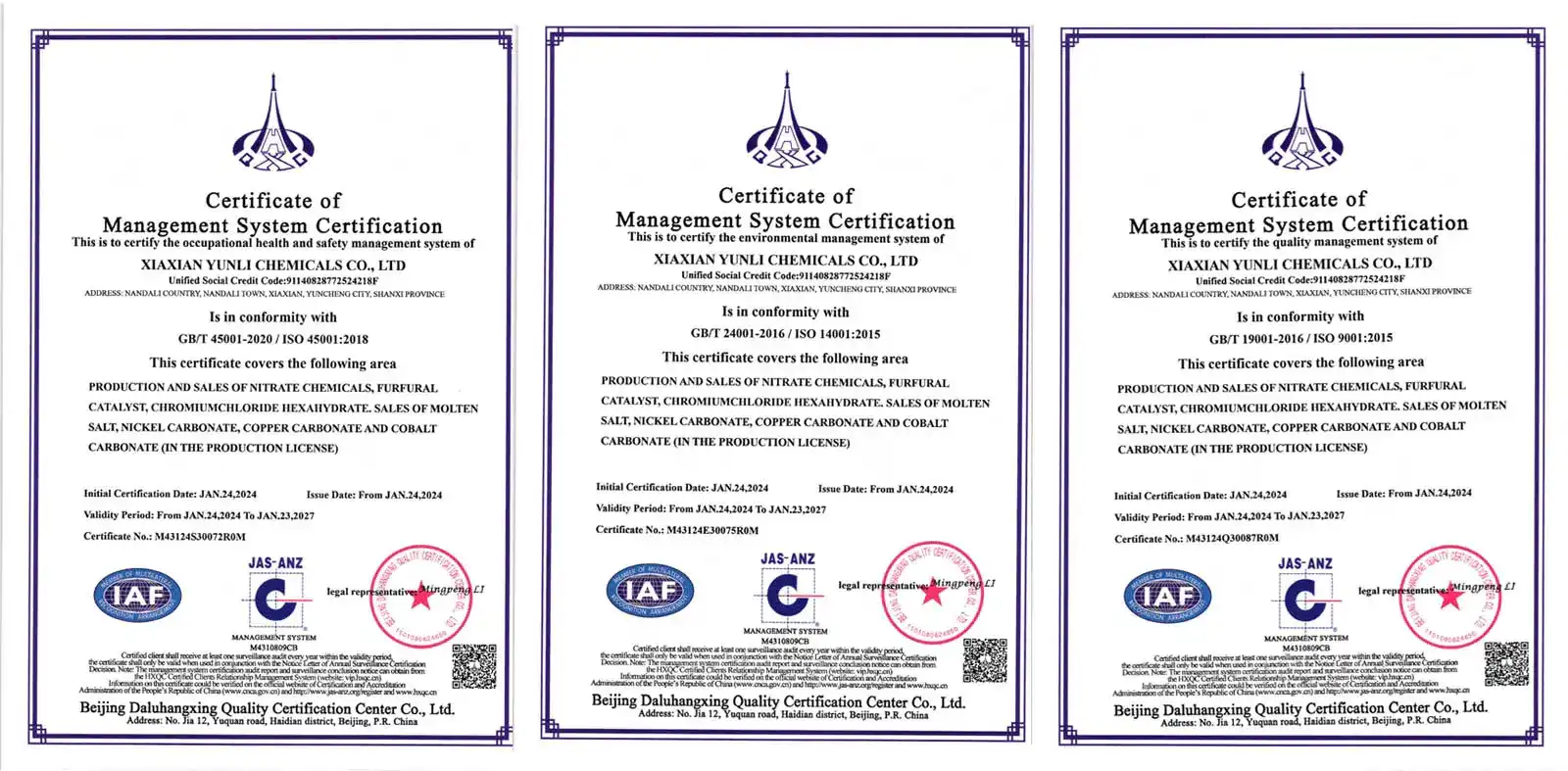
To find trustworthy makers, you need to check their production capacity, quality certifications, and supply security. Suppliers who have ISO 9001 certification show that they are dedicated to managing quality consistently. Environmental certifications like ISO 14001 show that a business has the right facilities to handle trash, which lowers the risk of supply chain compliance. Manufacturers that have been in business for 15 to 20 years usually have more stable supply lines than younger companies that are just starting out. Checking customer references from businesses in the same industry can give you an idea of how reliable delivery is and how good the technical help is.
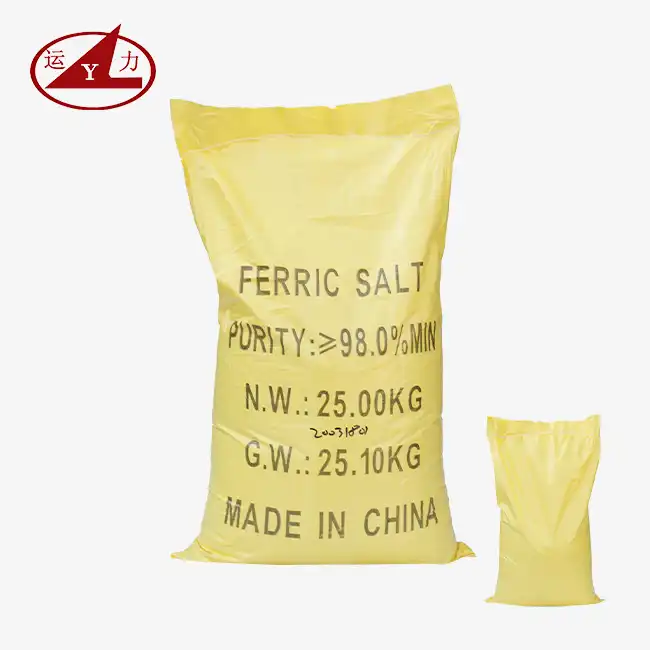
Yunli Chemical meets all of these requirements because it has been in business for more than 20 years, makes more than 1 billion yuan a year, and has three ISO certifications (ISO 9001, ISO 14001, and OHSAS). The company's title as a provincial technology center shows that it has the R&D skills to support custom formulas when regular goods need to be changed.
Cost Factors and Bulk Ordering
Prices depend on the pure grade, the size of the order, and the state of the market. For orders over 10 metric tonnes, industrial-grade material costs about $1.20 to $2.00 per kilogram. For orders of 1 to 5 tonnes, it may cost $2.50 to $3.50 per kilogram. Laboratory-grade materials cost 50–80% more than industrial-grade materials. Specialised tank trucks are needed to transport liquid solutions, which adds $0.15 to $0.30 per kilogram, based on the distance. It's easier to see how much something is worth when you look at the total landing cost instead of just the unit price.
A lot of the time, deals for buying in bulk include volume discounts, flexible payment terms, and price stabilisation measures that protect buyers from changes in the market. Different suppliers have different minimum order amounts. Some manufacturers will take orders as little as one metric tonne, while others need at least 10 tonnes. Suppliers that offer smaller batch orders or consignment inventory programs are helpful for facilities that don't have a lot of space for keeping.
Quality Assurance and Documentation
Each shipment should come with a full Certificate of Analysis (COA) that lists the physical qualities, heavy metal makeup, and purity levels. Material Safety Data Sheets (MSDS) tell you how to handle and deal with an issue. When suppliers can provide test results from third-party, accredited labs, it gives buyers more trust in the verification process. For example, RoHS compliance certificates are needed for electronics purposes, and pharmaceutical-grade approvals are needed for certain end uses.
By asking for sample amounts before making big promises, testing can be done in real production circumstances. Reliable sellers give free samples (usually 200 to 500 grams) to interested buyers. This lets them check the etching performance, equipment compatibility, and handling qualities. This step lowers the risk of expensive production delays caused by materials that don't work together.
Best Practices and Safety Tips for Using Ferric Nitrate in Metal Etching
Storage and Handling Best Practices
For products to stay intact, they need to be stored in a climate-controlled space below 30°C with less than 50% relative humidity. Being deliquescent means that when the product is exposed to wet air, the crystals break down and a solution forms. For crystalline materials, sealed plastic bags inside fibre drums work well as moisture shields. Because they are acidic, liquid solutions need containers made of high-density polyethylene or polypropylene. Acid-resistant floors, eyewash stations, and spill control systems should all be in storage areas. Separating from flammable substances, biological materials, and reducing agents stops reactions between materials that don't combine well with each other.
Process Optimization Techniques
To get uniform etch rates, solution factors must be tightly controlled. Keeping the temperature within ±2°C keeps the results from being different between runs of output. Keeping the concentration of the solution steady by checking and making changes on a regular basis makes up for metal loading and loss. Spray nozzles or solution flows make sure that the etchant and workpiece surfaces are in touch with each other evenly.
Monitoring the loss of ferric ions lets you quickly replace or regenerate the solution before the etch rates drop too low. Some businesses use constant renewal systems that change used ferrous ions back into ferric ions chemically. This makes the solution last longer and produces less waste.
Disposal and Environmental Compliance
Before they can be dumped into city systems or open waters, used etching solutions need to be treated. Iron and copper are turned into hydroxide crystals when alkaline substances like sodium hydroxide or calcium hydroxide are used to neutralise them. Filtration or settling gets rid of these solids so that dangerous trash can be thrown away properly. In places with improved wastewater treatment, bacterial denitrification may be needed for any nitrate-rich liquids that are left over. A lot of businesses work with specialised garbage management firms that have permits for handling nitrate-containing industrial trash. Keeping thorough records on how much trash you produce helps you follow the rules and shows that you care about the environment during checks.
Conclusion
In conclusion, when choosing the right etching chemicals, you have to think about how well they work with the metal, the process, safety, and how to get them. Compared to chloride options, Ferric Nitrate nonahydrate controls the etching of copper and silver and prevents equipment rusting. Knowing its chemical qualities, how it works, and what it can't do helps you make smart buying choices that improve both technical performance and cost-efficiency. A successful application relies on a reliable provider, following the right handling procedures, and properly managing waste. Industrial buyers can get better deals by working with well-known makers that offer consistent quality, expert support, and flexible supply plans that can be changed to fit the needs of each operation.
FAQ
Can ferric nitrate etch stainless steel effectively?
Because they have chromium oxide passivation layers, standard austenitic stainless steels (304, 316) don't etch easily with Ferric Nitrate. Under normal circumstances, the chemical doesn't have enough oxidising strength to get through this barrier. For uses with stainless steel, specialised preparation or different etchants, such as mixes of hydrochloric acid and nitric acid, work better.
How does ferric nitrate differ from ferrous nitrate in etching applications?
As an oxidiser that takes electrons from metals, Ferric Nitrate contains iron in the +3 oxidation state (Fe³⁺). Ferrous nitrate has iron in the +2 state (Fe²⁺), which means it can't oxidise metal to remove a coating. Because it can take electrons during redox processes, only the ferric form works well as an etching agent.
What quality checks matter most when purchasing bulk quantities?
Checking for purity levels (usually ≥98% for commercial use), heavy metal pollution (iron content ≤30ppm for most uses), and chloride levels (≤100ppm) all help keep the quality of the process high. Requesting Certificates of Analysis with every package and doing independent tests on a regular basis proves that the provider is reliable.
Partner with Yunli Chemical for Reliable Ferric Nitrate Supply
Finding reliable sources for high-purity Ferric Nitrate nonahydrate makes your metal etching work more reliable in terms of quality and consistency. Yunli Chemical makes Fe(NO₃)₃·9H₂O with controlled impurity profiles (≤30ppm iron content and ≤100ppm chloride content) for high-end electronics and surface cleaning uses. With 20 years of experience in production, a title as a state technology center, and full ISO certifications, we can guarantee stable supply chains that are backed by strict quality management.
We have easy payment terms and don't require a minimum order size. You can also get free samples of up to 500 grams, and you can change the quantity of our solutions to fit your process needs. Our self-operated export skills make foreign logistics easier, and direct plant supply cuts out the costs of middlemen. Our expert team can help you with formulation and documentation, such as COA and MSDS certificates, whether you need regular 98% purity material or specialised high-purity grades for catalyst uses. Get in touch with our procurement experts at wangjuan202301@outlook.com to talk about your needs for a Ferric Nitrate source and get reasonable prices on your next order.

References
1. Smith, J.R. and Williams, K.L. (2019). "Oxidizing Agents in Metal Surface Treatment: Comparative Analysis of Ferric Compounds." Journal of Industrial Chemistry, 45(3), 287-302.
2. Thompson, M.D. (2020). "Etching Mechanisms in Electronics Manufacturing: A Technical Review." Surface Engineering Quarterly, 12(2), 145-167.
3. Anderson, P.K. and Lee, S.H. (2021). "Environmental Management of Nitrate-Based Industrial Effluents." Chemical Process Safety, 38(4), 412-428.
4. Rodriguez, C.A. (2018). "Metal Dissolution Kinetics in Acidic Oxidizing Media." Electrochemical Technology Review, 29(1), 56-73.
5. Mitchell, R.F. and Zhang, W. (2022). "Quality Specifications for Industrial Oxidizing Salts: Procurement Guidelines." B2B Chemical Supply Management, 17(3), 201-215.
6. Harrison, T.G. (2020). "Comparative Economics of Metal Etchants in Circuit Board Manufacturing." Electronics Production Technology, 33(2), 89-104.