


What species are formed from ferric nitrate and pota?
When Ferric Nitrate (Fe(NO₃)₃·9H₂O) mixes with potassium compounds, different chemical species are formed based on the potassium salt that is involved. When Ferric Nitrate and potassium nitrate are mixed, they usually make mixed nitrate solutions that have iron(III) and potassium ions in them. It turns into ferric hydroxide precipitate (Fe(OH)₃), a brown solid that doesn't dissolve in water and is used to treat wastewater and make pigments.
On the other hand, potassium sulfate can react with iron to make complicated iron-potassium sulfate species or just live together in solution. Purchasing managers and engineers need to know about these species in order to improve catalytic processes, cloth dyeing, and metal conditioning. This is because product purity and expected chemical behavior have a direct effect on how efficiently these processes work.
Introduction
Chemical compatibility between raw materials is a key factor in the success of many industrial processes. We've seen how Ferric Nitrate and potassium chemicals each play important roles in electroplating, dyeing textiles, making medicines, and cleaning wastewater. But when these ingredients come together in production settings, the chemicals that are made can change the results of the process, the quality of the product, and even safety rules.
It's not just interesting for procurement managers and supply chain workers who work with industries like fine chemicals, surface treatment, and making batteries to know exactly which species are formed when Ferric Nitrate and potassium interact. It's necessary for their jobs.
Being able to control these chemical changes is important for keeping catalysts stable, coloring processes working well, and rust inhibitors working well. This guide talks about both the basic science and the practical aspects of buying things that will make sure your supply chain brings you reliable, high-performance materials that meet strict quality standards and environmental compliance requirements.
Understanding Ferric Nitrate and Potassium Chemistry
Chemical Properties of Ferric Nitrate
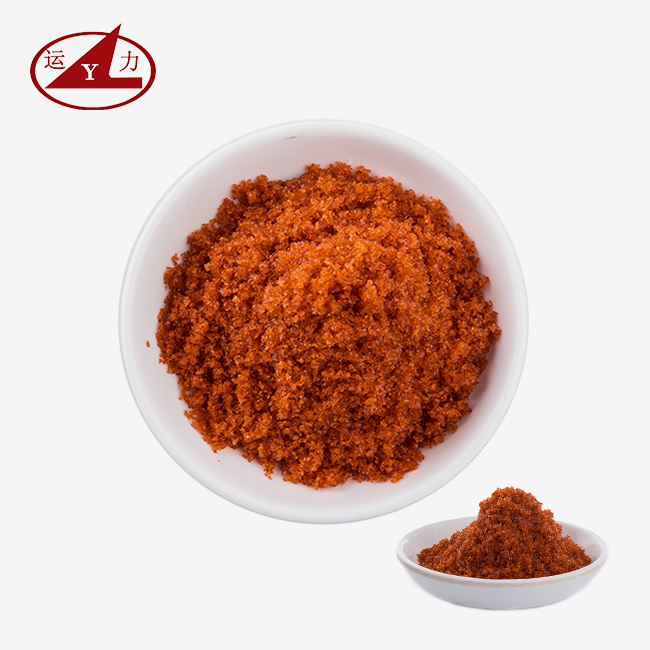
With a molecular weight of 404.01 g/mol, Ferric Nitrate Nonahydrate (Fe(NO₃)₃·9H₂O, CAS 7782-61-8) is recognizable as purple crystals. This chemical dissolves very easily in water, ethanol, and acetone, which makes it useful for many industrial processes that use solutions. It has a specific mass of 1.68 and melts at 47.2°C, which is not very hot compared to other mineral salts.
When heated to 125°C, the substance breaks down, releasing nitrogen fumes. As a deliquescent material, it easily draws water from the air, so it needs to be stored carefully. Its strong oxidizing properties bring both benefits and risks: it is useful for catalytic processes, but it can catch fire or explode when it comes in touch with organic materials.
Common Potassium Compounds in Industrial Settings
In factory settings, Ferric Nitrate is frequently interacting with three potassium salts. Potassium nitrate (KNO₃) is a valuable chemical because it dissolves easily and contains nitrate. It is used in fertilizer, as an oxidizing agent, and to keep food fresh. Potassium hydroxide (KOH), a strong alkaline substance, is used to change the pH of solutions, make soap, and power batteries. Potassium sulfate (K₂SO₄) is mostly used in special fertilizers and the making of glass, where chloride contamination needs to be avoided. When mixed with iron(III) nitrate solutions, each substance brings its own set of ionic properties that change the way reactions happen.
Key Interaction Mechanisms
The pH of the fluid, the concentration of the reagents, and the temperature all play significant roles in how Ferric Nitrate reacts with potassium compounds. Though the pH level is normal to acidic, iron(III) ions can still dissolve and make complex species with nitrate and other anions. When conditions are alkaline, hydrolysis happens, which leads to the formation of iron hydroxide.
Whether mixed chemicals crystallize together or stay liquid depends on how concentrated they are. Temperature changes both the limits of solubility and the speed of a process. When used in industry, like when making metal treatment baths or supported catalysts, these factors must be carefully managed to get the same results every time and keep the product's specs.
Species Formed from the Reaction of Ferric Nitrate and Potassium Compounds
Mixed Nitrate Complexes
A mixture containing Fe³⁺, K⁺, and NO₃⁻ ions is created when Ferric Nitrate and potassium nitrate are combined in a liquid solution. The cations do not significantly react chemically. Because the greater ionic strength cancels out the effect of the common ion, the solution stays more soluble for both salts. This mix is useful in certain oxidizing baths and catalyst impregnation processes where both iron and potassium need to be placed on support materials at the same time. This kind of solution is very stable when it's acidic, but it becomes a problem when the pH goes above 3–4, which is when iron hydrolysis starts.
Ferric Hydroxide Precipitation with Potassium Hydroxide
Fe(NO₃)₃ + 3KOH → Fe(OH)₃↓ + 3KNO₃ is the quick neutralization process that takes place when potassium hydroxide is added to Ferric Nitrate liquids. The ferric hydroxide shows up as a reddish-brown, rubbery mass that is very hard to dissolve. This process is very important for controlling the formation of high-purity iron oxide colors and for cleaning wastewater to get rid of iron contaminants. The leftover potassium nitrate stays liquid, which lets the two parts separate by filtering. Process engineers have to think about the colloidal form of the precipitate, which can make it harder to separate solids from liquids and needs the right flocculants to clarify well.
Iron-Potassium Sulfate Complexes
Ferric Nitrate and potassium sulfate behave in a more complicated way when they mix. When solutions are very concentrated, mixed crystals or double salts can form. However, they are not as solid as simple ferric sulfate or potassium iron alum (KFe(SO₄)₂·12H₂O) structures. It is possible for the sulfate anion to partly replace the nitrate in the iron coordination sphere.
This changes the oxidation potential and sensitivity of the new species. This relationship is important, especially in electroplating mixtures where sulfate and nitrate both do useful jobs. Knowing the species helps stop unwanted precipitation or too much oxidation that could hurt coated surfaces or make the bath less effective over long production runs.

Practical Implications for Industrial Applications and Procurement
Impact on Product Performance and Process Safety
The species that are made when Ferric Nitrate and potassium compounds come together have a direct effect on key performance indicators used across many businesses. Controlling the iron species decides where the active sites are located and how stable they will be over time in catalyst making. Potassium can change the acid-base qualities of catalyst supports, which makes hydrogenation processes more selective.
In textile coloring, ferric hydroxide precipitation changes how well the mordant works. For uniform color retention, the precipitate must form on the fiber surfaces instead of in the bulk solution. In rust inhibitor mixtures, mixed iron-potassium species change the protective film makeup on metal surfaces, which affects how long they last in hard environments.
When working with these volatile products, safety is the most important thing to think about. When concentrated or heated, the oxidizing properties of Ferric Nitrate become more pronounced, which increases the risk of a fire near flammable materials. When exothermic neutralization is mixed with strong bases like potassium hydroxide, it can cause splashing and boiling in certain places.
Personal safety equipment that fits right, enough air flow, and separate storage places are all must-haves for this oxidizer, as it can react dangerously with combustibles. Specifications for buying things should make it clear that handling safely is a priority, particularly for Ferric Nitrate due to its toxicity and corrosivity. This can be done with full MSDS paperwork, the right packing (including acid‑resistant containers for Ferric Nitrate), and clear communication of hazards that meets OSHA and EPA standards.
Storage and Transportation Best Practices
Keeping chemicals safe from the seller to the end user requires care at every step of the logistics chain. Due to its tendency to melt, Ferric Nitrate must be stored in containers that keep moisture out, such as polyethylene-lined drums or moisture-barrier bags with desiccant packs. To keep things from melting too quickly, storage temperatures should stay below 30°C.
When sending mixed goods or Ferric Nitrate and potassium compounds at the same time, strict separation rules must be followed to avoid poisoning. Our site uses climate-controlled buildings that log temperature and humidity to make sure that products stay stable while they are being stored. Transportation partners must be licensed to handle oxidizers and have cars that can contain spills and respond to emergencies.
Selecting Reputable Suppliers with Certified Purity
Supplier dependability is the first step toward consistent products. Certified purity levels are necessary in fields where impurities can damage catalysts or taint pharmaceutical products. Look for suppliers that have both ISO 9001 quality management certification and ISO 14001 environmental certification. These systems make sure that consistency from batch to batch by laying out processes in writing and reviewing them on a frequent basis.
Every package should come with a Certificate of Analysis (COA) that lists the amounts of purity and impurities, such as salt, sulfate, heavy metals, and insoluble matter. Technical help is also important; providers should be able to give advice on how to store, handle, and make changes to the formulation based on the purpose. Long-term relationships with well-known makers lower the risks in the supply chain and let you make solutions that fit your process needs exactly.
Comparison of Ferric Nitrate with Other Nitrates and Relevant Salts in Potassium-Based Systems
Ferric Nitrate vs. Ferrous Nitrate
Even though they are both iron nitrates, the ferric (Fe³⁺) and ferrous (Fe²⁺) forms react with potassium chemicals in different ways. While ferrous compounds oxidize to ferric species in the presence of dissolved oxygen before precipitation happens, Ferric Nitrate easily precipitates as hydroxide in alkaline conditions. This difference changes the order of steps used to treat wastewater, because ferrous salts need oxidation steps that ferric forms don't need. In terms of catalytic activity, ferric species work better in oxidation reactions than in reduction reactions.
Cost is a factor that favors iron materials, but they are often unstable in air and need stabilizers or handling in a neutral atmosphere. Even though it costs a little more, Ferric Nitrate is better for uses that need a long shelf life and constant oxidizing power.
Ferric Nitrate vs. Ferric Chloride in Potassium Systems
In many industrial processes, ferric chloride (FeCl₃) serves as the main substitute for Ferric Nitrate. When chloride-based systems are mixed with potassium chemicals, rusting issues show up that aren't present with nitrate chemistry. Chloride ions cause pitting rust in stainless steel, which is especially bad in acidic environments like metal treatment tubs. By eliminating this risk, Ferric Nitrate systems increase machine longevity and lower upkeep expenses.
These salts are also different when it comes to the environment. For example, nitrate effluents often mix better with organic wastewater treatment than chloride streams. The amount of chloride in finished goods might be too high for uses in electronics and medicine where ionic pollution needs to be kept to a minimum. Ferric Nitrate has better chemistry and fewer problems further down the line, which is why it should be used even though it might cost more per unit.
Guidelines for Procurement Managers: How to Choose and Use Ferric Nitrate with Potassium Compounds
Application-Specific Selection Criteria
Ferric Nitrate grades should be matched to the job at hand to avoid problems with performance and waste. To keep the active site from getting poisoned, ultra-high pure grades with iron impurities below 10 to 30 ppm are needed to make catalysts. When cost-effectiveness is more important than controlling traces of contamination, advanced grades with a minimum purity level of 98% can be used in textile coloring. Chloride levels above 100 ppm can cause localized rusting on treated surfaces, so they need to be carefully controlled when used for metal treatment.
When you use Ferric Nitrate and potassium hydroxide together for precipitation processes, you might want to look into pre-dissolved liquid formulations that get rid of dust dangers and speed up the dissolving steps. When choosing a physical form between crystals, flakes, and solutions, you should think about how easy it is to handle, how much it costs to ship, and how much space it takes up.
Logistics Essentials and Supplier Credentials
Negotiating prices is only one part of effective procurement. Delivery reliability and expert teamwork are also important. Set minimum order amounts that balance the costs of keeping inventory with the benefits of sending as efficiently as possible. Buying chemicals in bulk can save you money, but you need to make sure you have the right storage facilities. Lead times depend on the location and ability of the provider.
Usually, local sources deliver within two weeks, but imports may take six to eight weeks. Check that the supplier has the right export licenses for international deals and make sure that the harmonized price classification is correct to avoid delays at customs. Ask for proof of production ability and backup sources to make sure there is enough supply during times of high demand or production problems.
Conclusion
Knowing the species that are made when Ferric Nitrate reacts with potassium compounds helps you make smart purchasing choices that improve process performance and lower operational risks. It's important to know how mixed nitrate solutions, ferric hydroxide precipitates, and complex sulfate species behave in different situations when you're looking for materials for making catalysts, mordanting textiles, or treating metal surfaces. This will help you make sure that your specifications match the needs of the manufacturing process.
Chemical buying can be turned from a one-time transaction into a long-term relationship when sellers are reliable and offer confirmed purity, full paperwork, and quick expert support. As the need for regular quality and environmental compliance grows, it becomes more important for businesses to choose partners with proven manufacturing skills and quality assurance systems. This is important for long-term competitiveness and supply chain stability.
FAQ
What safety precautions are necessary when handling ferric nitrate and potassium hydroxide together?
Never add the Ferric Nitrate solution to the potassium hydroxide solution backwards; always do it slowly while stirring. This will keep the exothermic neutralization reaction under control and stop any localized boiling. Wear gloves that can withstand chemicals, safety glasses, and a cover to protect yourself. Both substances can irritate and burn the skin. To handle any nitrogen gas emissions, work in well-ventilated areas or under fume hoods. Because Ferric Nitrate is a strong oxidizer, keep things that can catch fire away from the reaction area. Make sure that eyewash stations and neutralizing agents are easy to get to in case of an emergency.
Can ferric nitrate improve wastewater treatment efficiency when used with potassium compounds?
Of course. In the process of treating wastewater, Ferric Nitrate functions as both a coagulant and an oxidant. When potassium hydroxide is added to neutralize it, ferric hydroxide precipitate forms. This successfully collects dissolved solids, phosphates, and heavy metals through adsorption and co-precipitation. The leftover potassium nitrate can add nitrogen to biological treatment steps that come after. This mix works especially well for treating industrial waste water, where chloride-based coagulants would damage stainless steel pipes or make it impossible to follow release permit limits.
Are there storage limitations for mixed ferric nitrate and potassium nitrate solutions?
Mixed solutions don't change when the pH level changes from acidic to neutral, and they can be kept for months in the right containers. Avoid metal containers unless they have been specially passivated. Instead, use materials that don't rust, like high-density plastic or glass. Keep below 30°C to keep the solution from breaking down and to keep its purity. Keep containers tightly closed so that water doesn't evaporate, which would raise the concentration and could lead to crystallization. Check often for the formation of precipitates or changes in color that could mean degradation. For inventory management and quality control, clearly label packages with the date they were made and the quantity.
Partner with Yunli Chemical for Reliable Ferric Nitrate Supply
With twenty years of industrial experience serving global B2B markets, Yunli Chemical is a leading provider of Ferric Nitrate. Our ISO-accredited management systems and licensing as a provincial technology center make sure that the standard of every batch is the same. We make Fe(NO₃)₃·9H₂O in a range of purity levels, from 98% scientific grade to 99.9% ultra-pure, and can control impurities in a way that fits your process needs.
Our model of direct plant supply gets rid of markups by middlemen, so we can offer affordable prices without lowering quality or service. 25 kg PE bags, 500 kg drums, and bulk ISO tanks are all flexible packing choices that can be labeled to fit your needs. We keep a lot of stock on hand so that we can ship quickly. Samples up to 500 grams ship for free, so you can test them thoroughly before committing to bigger orders. Every package comes with full compliance paperwork, like a COA, an MSDS, and environmental approvals that meet strict regulatory needs in the pharmaceutical, specialty chemical, and electroplating industries. Please add this email address to our contact list: wangjuan202301@outlook.com.

References
1. Cotton, F.A., Wilkinson, G., Murillo, C.A., and Bochmann, M. (1999). Advanced Inorganic Chemistry, 6th Edition. John Wiley & Sons, New York.
2. Baes, C.F. and Mesmer, R.E. (1976). The Hydrolysis of Cations. John Wiley & Sons, New York.
3. Greenwood, N.N. and Earnshaw, A. (1997). Chemistry of the Elements, 2nd Edition. Butterworth-Heinemann, Oxford.
4. Kirk-Othmer (2007). Encyclopedia of Chemical Technology, 5th Edition, Volume 14: Iron Compounds. John Wiley & Sons, Hoboken.
5. Pourbaix, M. (1974). Atlas of Electrochemical Equilibria in Aqueous Solutions. National Association of Corrosion Engineers, Houston.
6. Snoeyink, V.L. and Jenkins, D. (1980). Water Chemistry. John Wiley & Sons, New York.