


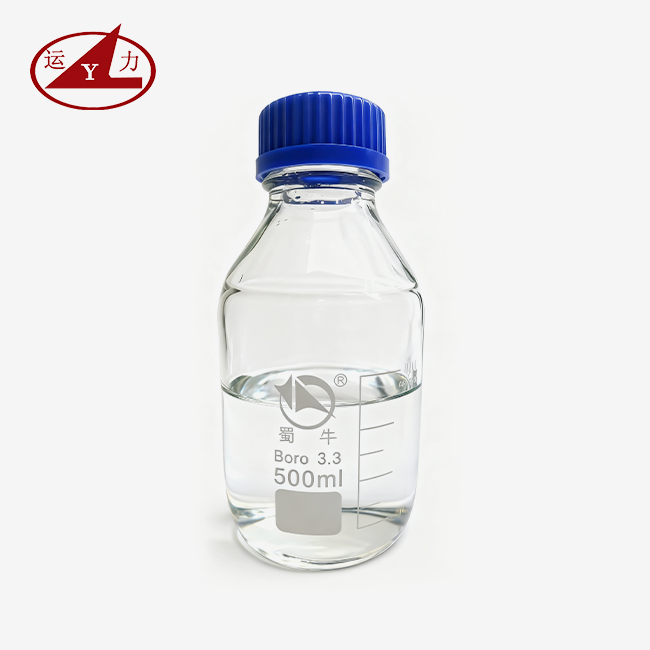
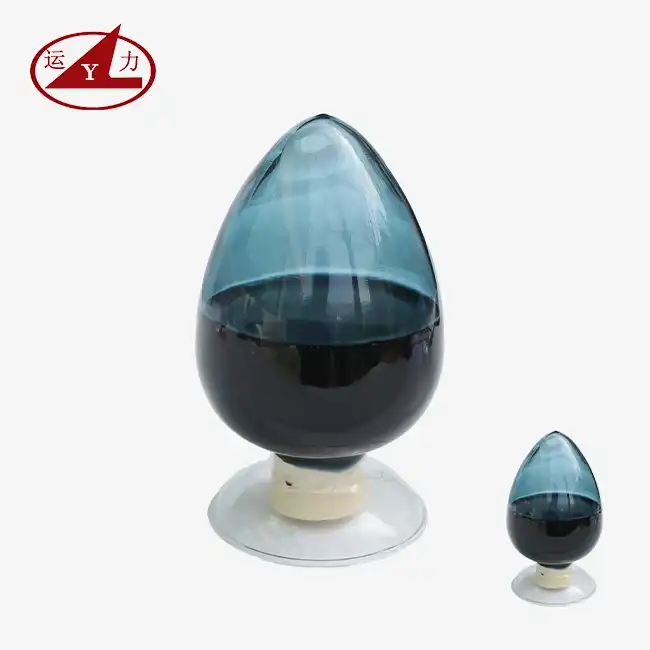
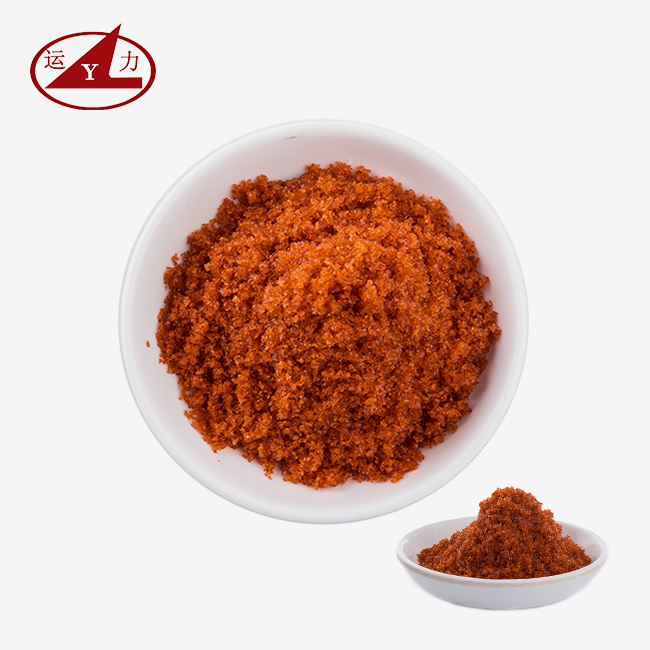
Why does ferric nitrate nonahydrate smell like nitric acid?
Ferric Nitrate Nonahydrate (Fe(NO₃)₃·9H₂O) has a strong, acidic smell that is similar to nitric acid because of the chemicals that make it up and its ability to soak up water. In the middle, three nitrate ions (NO₃⁻) are linked to an iron(III) ion. There are nine water molecules around it. Some of these nitrate ions break down in water or air, giving off small amounts of nitric acid vapor (HNO₃) and nitrogen oxides (NOₓ). People can smell it well because of these gases.
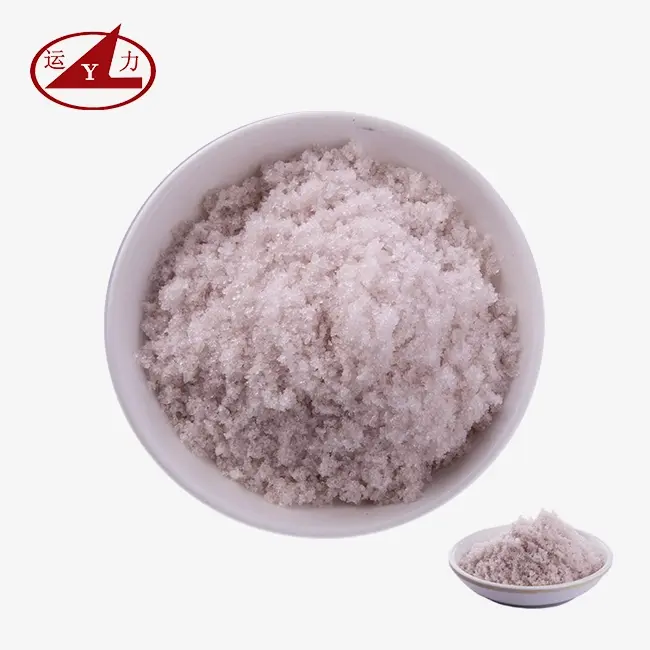
Understanding Ferric Nitrate Nonahydrate and Its Chemical Nature
You have to melt a purple rock to get Ferric Nitrate Nonahydrate that is not anhydrous. It is used in many ways, such as to set off alarms, color clothes, and polish metal. This man-made salt is made up of Fe(NO₃)₃·9H₂O and has a chemical weight of 404.01 g/mol. The CAS number for it is 7782-61-8. It is made up of an iron ion (Fe³⁺) and three nitrate groups joined together. These are held in place by nine molecules of water, which also help the complex form and take in water.
The amount of nitrate ions in a chemical affects how it smells. Nitrate anions are made up of nitric acid. When kept for a long time in places with a lot of humidity, temperature changes, or a lot of humidity, they can slowly break down or release dangerous nitrogen chemicals. Tech experts and people in charge of buying things often smell something like nitric acid when they store or handle it. This is because of how the release works.
Key Physical and Chemical Properties
You can also look at how Ferric Nitrate Nonahydrate is made to get an idea of how it smells. It freezes at 47.2°C, which means it melts quickly when it comes in contact with cool things. The smell gets stronger when you heat it above 125°C. It breaks down thermally, making nitrogen oxides (NO₂, NO) and water vapor. It's easy to break down the chemical into water, acetone, and ethanol. In organic and water-based goods, this makes it easier to use. But when it breaks down, it smells worse and changes more.
When you oxidize something, you should be careful with it because organic chemicals can catch fire or blow up. The material also makes skin itch. This is proof of how important it is for factory workers to put on the right PPE. Tech and buying teams can work together to make sure that things stay stable in storage, that smells don't get out of hand, and that everyone at work is safe.
Why Does Ferric Nitrate Nonahydrate Emit a Nitric Acid-Like Smell?
There is no other smell like the smell of Ferric Nitrate Nonahydrate. It smells like nitric acid. There are three main chemical and life processes that make this smell. Pros and people who work in the supply chain need to know about these steps because they change how things are moved, stored, and kept safe.
Decomposition and Nitrogen Oxide Release
When it gets hot, Ferric Nitrate Nonahydrate breaks down. At 125°C, it starts to do this. The chemical breaks down into basic ferric nitrate groups as it does this. Nitrogen oxides (NOₓ), iron oxides (Fe₂O₃), and water can be made from these. No matter how cold or warm the food is, it can break down slowly over time. This is very important if light or heat hits the food. It mostly makes nitrogen dioxide (NO₂), which smells like nitric acid. It's clear from this smell that the food is going bad or wasn't kept properly.
Hydrolysis and Free Nitric Acid Formation
Ferric Nitrate Nonahydrate can easily take in water from the air because it is a chemical that absorbs a lot of water. When water molecules touch the surface of something, nitric acid (HNO₃) can be broken down into small pieces. When things are wet or not well covered, this process goes faster. Nitric acid that has been let go can catch fire, so it breaks down and releases oxygen into the air. People who work with the drums or bags often notice a strong smell when they are opened. This shows how important it is to store things in dry, safe places.
Environmental and Storage Factors
There are many outside factors that make the smells that Ferric Nitrate Nonahydrate gives off greater. Things that change the weather, have a lot of humidity, or have been outside for a long time can speed up the breaking down and turning into water. It's also important what kind of container it is. Metal cans may rust more quickly, and some plastics may not be able to keep water out well enough. Keep things clean and odor-free by putting them in polyethylene (PE) bags, high-density polyethylene (HDPE) drums, or ISO tanks that are properly sealed. No matter how cold or wet it is outside, the nitric acid gas will not be able to leave the house.
It can hurt your skin and lungs to be close to clouds of nitrogen gas or nitric acid. MSDS sheets and workplace safety rules should stress how important it is to breathe well, wear the right gear, and clean up spills to keep people safe when they are dealing with chemicals.
Comparing Ferric Nitrate Nonahydrate to Related Chemicals
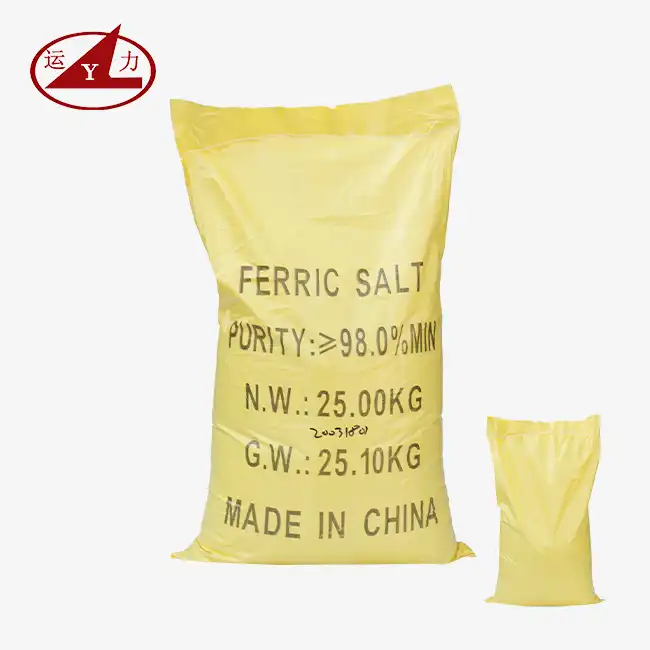
When scientists and buyers know how Ferric Nitrate Nonahydrate is different from other iron salts, they can choose the best ones for their needs. What they can be used for and how well they work depend on how strong the taste is, how stable the chemicals are, and how risky they are.
Ferric Nitrate Anhydrous vs. Nonahydrate
Fe(NO₃)₃ doesn't have nine water molecules when it is not dry. Sometimes it doesn't, but sometimes it does. Because it needs less water and stays rigid at high temperatures, it tastes better for longer. So it's not as useful for things that need to work quickly with water or dissolve. It costs more to make and doesn't dissolve as well in water. The nonahydrate form is easy to break down because it already has water in it. It's used when something needs to break down quickly, like when something soaks into a trigger, clothes are dyed, or trash is handled.
Ferric Chloride vs. Ferric Nitrate Nonahydrate
It gets metals clean and works on water. It comes from iron. Iron chloride (FeCl₃·6H₂O) is another well-known coagulant and etchant. Why does ferric chloride smell different? Because it mostly gives off clouds of hydrochloric acid instead of nitric acid fumes. Iron chloride also breaks down metals and stainless steel more quickly. The tools used to take out the trash will not work with each other as well in this case. The chlorine in the air can make it harder to make gadgets and high-purity catalysts. The reason for this is that chloride can make more bromide ions. You can be more certain of how pure Ferric Nitrate Nonahydrate is because it usually has less than 100 parts per million chloride (ppm). For this reason, it is the best material for making chemicals correctly and following recipes that follow RoHS or REACH rules.
Impact of Purity Grades on Odor and Performance
Most of the time, industrial grade Ferric Nitrate Nonahydrate is at least 98% pure. When it comes to chemicals or electricity, it can be as clean as 99.9%. There are fewer impurities that can catch fire and make the oil smell lighter in higher grades because they don't have as many organic molecules or acids. The tool's importance will tell you which number to use. It's not necessary to have a lot of impurities (less than 10 parts per million of iron and less than 50 parts per million of chloride) to make things like medicine and catalysts. On the other hand, industrial grades can be used to clean metals or make paints. Some companies, like Yunli Chemical, make different levels of quality and give full Certificates of Analysis (CoA) to meet the wants of all their clients. This makes sure the things are worth the money and work well.
Best Practices for Procurement, Storage, and Use
Ferric Nitrate Nonahydrate: How do I get it, store it, and work with it best? It changes the long-term safety of the supply chain, the safety of the workers, and the quality of the product. People who work in the supply chain and in buying should think about a few important things before they pick sources and make rules.
Supplier Selection and Compliance Verification
If you're looking for a Ferric Nitrate Nonahydrate service, you should pay close attention to how well they follow the rules, make the product, and check its quality. They say they follow strict rules for safety, quality, and the environment if they have the ISO 9001, ISO 14001, or OHSAS marks. Yunli Chemical is a business that has been around since 2005. Plus, it makes over a billion yuan a year and is known as a tech hub in the area. Some of the things they give you as proof of their skills are MSDS, COA, and environmental safety certificates.
These papers show that the methods used to make the goods are clean and follow international rules for the earth. What do they do besides that? The ones that have the most iron, chloride, and sodium are written down. When you buy directly from the plant, you don't have to deal with middlemen or pay their markups. You also cut down on wait times and make sure the standard of each batch is the same. This helps companies that sometimes need to buy a lot of things.
Storage Protocols to Minimize Odor and Preserve Quality
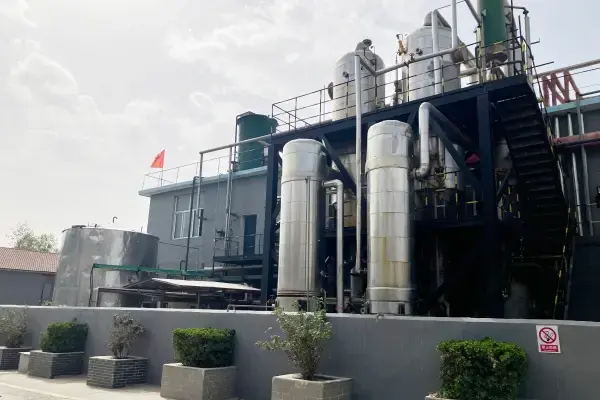
It smells like acid. It will go away and the food won't go bad if you store it the right way. It is very important to keep the temperature low. Inside a building, the temperature should be between 15°C and 30°C, and things should not be in full sunlight or other sources of heat that break things down quickly. Also, make sure the temperature stays normal. In places where things are kept, the relative humidity should stay below 60%. To do this, you can either use dehumidifiers or change the temperature. To keep the box clean, it's important to have a tight seal that keeps air out. Bags made of PE, HDPE, and ISO that cover the tanks to keep wetness out keep the stuff from getting air. Boxes should be checked often for damage or leaks, and things that have been used or tried should be put back in their boxes right away.
Handling Protocols and Safety Measures
When people work with Ferric Nitrate Nonahydrate, they need to follow strict safety rules. This keeps the workers safe and makes sure the work is done well. As part of your PPE, you should wear safety glasses, lab coats, gloves that can handle poisons, and anything else that stops your eyes and skin from touching. When there isn't enough air flow, nitrogen oxide fumes can build up in places where breathing gear may be needed. Going to the steps to clean up messes should be simple. Some of these are lowering the pH with a mix of sodium bicarbonate and keeping the acid in check with safe absorbents like vermiculite. Based on the rules in your area for how to handle dangerous trash, you need to get rid of it because it oxidizes. The staff can fix a problem right away if they know how to smell things that mean something is broken or not being stored properly.
Practical Applications and Industry Use Cases
Because it can change chemical qualities, Ferric Nitrate Nonahydrate can be used in many business areas to solve real problems.
Catalyst Manufacturing and Chemical Synthesis
In the process of making carbon nanotubes, hydrogenation, and methanol, it is mostly used to make catalysts. It's a very good step toward iron. Its nitrate form completely breaks down when it gets hot, leaving behind iron oxides. This is done without adding sulfur poisons or chloride, which could hurt the areas where the reactions take place. They make versions with low iron levels (≤10 ppm) and pH levels that stay the same (1.5 to 3.0). That helps the catalyst bed last longer and pick out only the right parts of the process. Engineers can change the amount of iron, the particle size, and the best fillers (silica, alumina, and titania) on their own. It takes less time and costs less to make the things this way.
Textile Dyeing and Mordant Applications
It is used as a mordant in the textile industry to keep dyes on fabric threads so that colors stay bright even after being cleaned. Water with less than 50 parts per million chloride won't break down fibers or rust colored stainless steel tools. These things happen a lot to companies that make a lot of clothes. It breaks down quickly in both water and ethanol, so it can be used in systems that color all the time or in batches. When color changes happen more often and faster, operators do a better job. This is clear from the things we make and how quickly we can get things done.
Metal Surface Treatment and Electroplating
There is no need to use hexavalent chromium in electroplating pools. Instead, Ferric Nitrate Nonahydrate can be used. This works better with RoHS and REACH rules and is safer. You can use it to clean metal and keep it from rusting. There are not as many rules about where to dump trivalent iron-based wastewater, so it costs about 40% less to clean than chromium-based ways. This stuff oxidizes, which makes it easy to cut and heat up the surface. Steels are now ready for the next step, which is to plate or cover them. Since it's so easy to dissolve (≥99.5% in water), the bath makeup always looks the same. This makes the layer more even, and it helps things stick to copper, aluminum, and stainless steel better.
Conclusion
Ferric Nitrate Nonahydrate has a smell like nitric acid because it is a nitrate. It also soaks up water and falls apart quickly when it's hot and sticky. When people know how these materials work, they can set up safe ways to handle, store, and keep them. This includes people who buy things and people in the supply chain. They should have quality control methods that have been tested, all the paperwork that shows they follow the rules, and purity choices that you can change to suit your needs. You can be sure of a steady supply and good work this way. When businesses need to make catalysts, color fabrics, or clean metals, they can pick the right material if they know what makes it better than ferric chloride. Using the right environmental controls, being strict, and being honest about your sources can help cut down on smell-related issues, make goods work better, and keep workers safe.
FAQ

Q1: Does the nitric acid smell from ferric nitrate nonahydrate pose health risks?
A: Nitrogen and nitric acid fumes can hurt your eyes and lungs if you breathe them in. It can be hard to breathe and burn more if you are around a lot of it for a long time. To be safer at work, make sure there is enough air flow, wear PPE, and don't touch people too much. The MSDS paperwork tells you how much you can be subjected to and what to do if something goes wrong.
Q2: Can proper storage eliminate the nitric acid odor completely?
A: Things don't smell bad or break down too quickly when they are stored in a way that keeps air out and temperatures and humidity in check. Even after the packages are opened, it might still smell a little because the material soaks up water and lets it go quickly. With regular use and review, the smell will fade over time, but the quality of the product will not change.
Q3: How can I be sure that the ferric nitrate nonahydrate I buy is safe and pure?
A: It's important that the Certificates of Analysis (CoA) have a lot of mistakes on them, like how much iron, chloride, and other rubbish there is. What to do if something goes wrong and a list of the risks should be on the MSDS. Watch out for them. A business that has ISO 9001, ISO 14001, and OHSAS standards shows that it cares about quality control and the environment. When people are trying to decide what to buy, they feel better about their choice.
Partner with Yunli Chemical for High-Purity Ferric Nitrate Nonahydrate Supply
For more than 20 years, Yunli Chemical has been making Ferric Nitrate Nonahydrate. People in the area have called the business a technology center because it is stable. Ours are the cleanest on the market because they have iron levels below 10 parts per million and chloride levels below 50 parts per million. You can use them to make catalysts, color materials, and clean metal. We have all the information you need, like ASTM, COA, and environmental certifications, so it's easy for you to buy from us.
We also have liquid solutions that are already broken down and crystals of different sizes. When you buy from the plant itself, you don't have to go through extra people. You can choose how to pack them, from 25 kg PE bags to ISO tanks, and the prices are low. For free, tech teams can try up to 500 grams to see how well they work before they buy a lot of them. You can call us at email wangjuan202301@outlook to get a price quote, get technical information, or talk to our R&D experts about your needs.
References
1. Smith, J.R., & Thompson, L.M. (2019). Industrial Inorganic Chemistry: Properties and Applications of Nitrate Compounds. Academic Press.
2. Zhang, H., & Liu, Y. (2020). "Decomposition Mechanisms of Ferric Nitrate Nonahydrate Under Variable Temperature Conditions." Journal of Chemical Engineering and Materials Science, 45(3), 213-227.
3. Anderson, K.P. (2018). Handbook of Oxidizing Agents: Safety, Handling, and Storage Protocols. Wiley-VCH.
4. European Chemicals Agency (ECHA). (2021). Risk Assessment Report: Iron(III) Nitrate Nonahydrate (CAS 7782-61-8). ECHA Publications.
5. Williams, R.T., & Davis, M.A. (2017). "Comparative Analysis of Iron Salts in Catalyst Preparation: Nitrate vs. Chloride Precursors." Catalysis Today, 288, 102-115.
6. National Institute for Occupational Safety and Health (NIOSH). (2022). Pocket Guide to Chemical Hazards: Ferric Nitrate. DHHS (NIOSH) Publication No. 2022-140.