


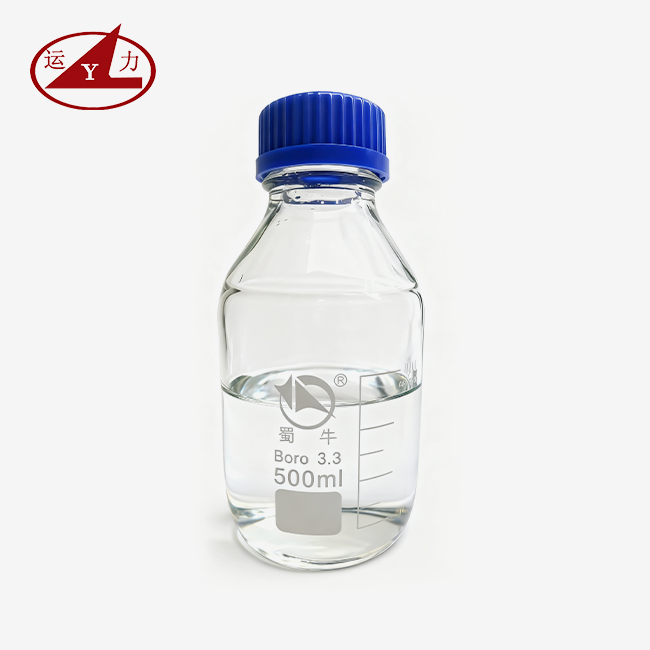
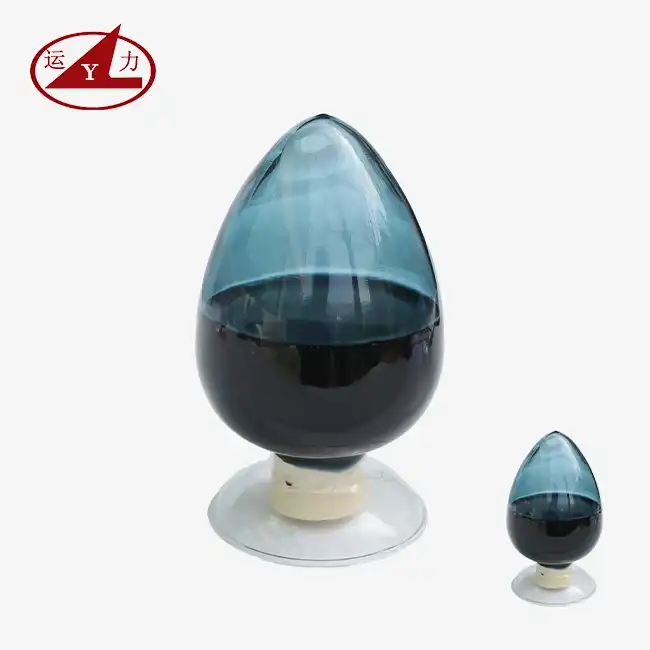
Where can I buy chromium chloride?
In the United States, Chromium Chloride can be purchased from authorized distributors, direct producers, and specialty chemical sellers. Industrial buyers who want reliable quality and paperwork that follows the rules can get approved goods, expert support, and a variety of bulk buying options by going straight to well-known chemical makers like Yunli Chemical. Trivalent Chromium compounds are available for purchase in online chemistry markets, regional wholesalers, and lab supply companies. These compounds can be used for electroplating, catalysis, and research. Before making a purchase, it is still important to check the purity standards and certifications.
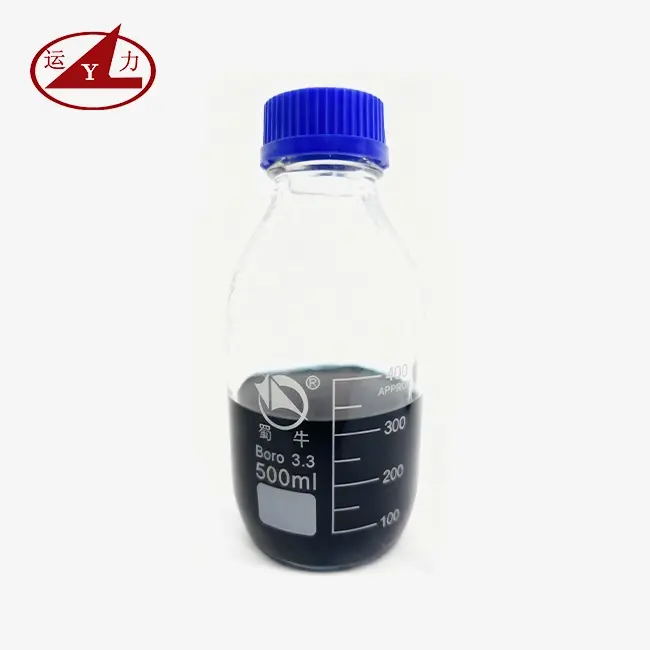
Understanding Chromium Chloride – Key Insights for Procurement
Chemical Properties That Matter for Industrial Use
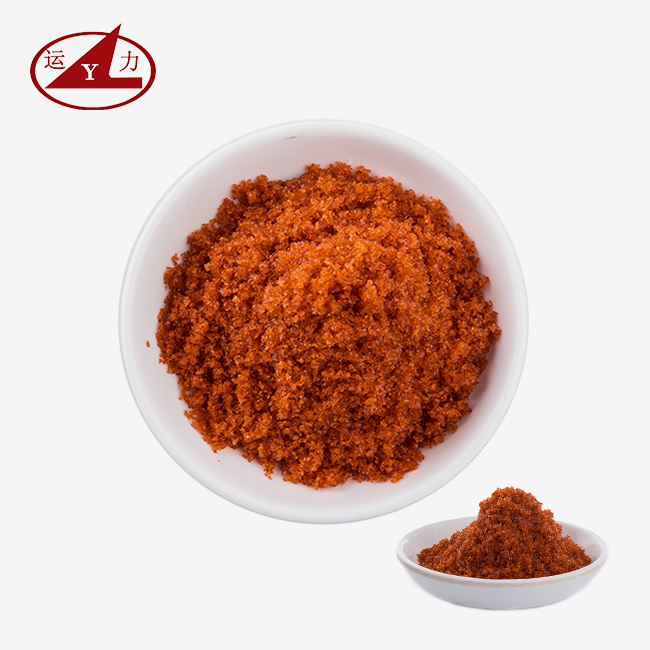
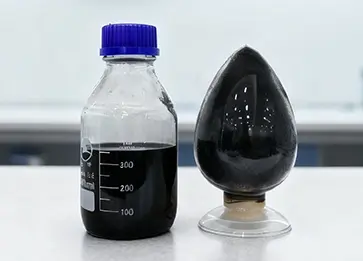
Chromium Chloride Hexahydrate (CrCl3·6H2O) is a dark green solid that melts easily and has a molecular weight of 266.45 g/mol. It is easy to work with because it has a relative density of 2.76 and a freezing point between 86°C and 90°C. As it dissolves easily in water and ethanol, it is ideal for making working solutions for electroplating baths and catalyst production.
The Hexahydrate form dissolves more quickly than the Anhydrous forms, which is important when the time of the process affects production plans. Solutions are usually acidic, with pH levels between 4.0 and 6.5. This affects how well they work with other bath components in metal cleaning processes. Knowing these basic properties helps buying teams choose the right grades and avoid expensive mistakes where material properties don't match up with application needs.
Industrial Applications Driving Demand
Metal surface treatment is the main area where Chromium Chloride is used because it is the base for Trivalent Chromium coating processes. Hexavalent Chromium methods that were harmful to workers have been replaced by these systems in the making of cars, toilets, and decorative hardware. The substance has great throwing power in complicated shapes, so it makes sure that parts with different shapes have the same coating thickness.
Another important application area is the production of catalysts. Chromium Chloride is a building block for catalysts that help make petrochemicals. It is used to make polymerization and hydrogenation catalysts. When pharmaceutical manufacturing operations make active ingredients, they use high-purity grades. Trace metal poisoning can make the product less safe and less effective. It is used as a mordant in the textile and leather industries to make strong bonds between colors and fibers that don't fade when they are washed or exposed to light.
Safety and Handling Considerations
Trivalent Chromium compounds are much less likely to be harmful than Hexavalent Chromium types, but they still need to be handled properly. Because the material is hygroscopic, it needs to be stored in covered cases in places with controlled humidity to keep it from absorbing water and losing its quality. People who work with strong solutions should wear the right safety gear, like gloves that can fight chemicals and eye protection.
The standards for safety documentation must be included in the procurement specs. Full MSDS (Material Safety Data Sheets), COA (Certificate of Analysis), and environmental compliance certificates make it possible to handle materials safely and pass checks by regulators. These papers are especially useful when building new ties with suppliers or adding new materials to processes that are already in place.
Comparison of Chromium Chloride Types and Alternatives
Hexahydrate vs. Anhydrous Forms
You can choose between Chromium Chloride Hexahydrate and Anhydrous depending on your needs and how you like to handle it. Hexahydrate dissolves better and faster than other forms, which makes it perfect for making plating baths and catalyst solutions that need to be mixed quickly. Its crystalline form makes it easy to measure and dose accurately, and it can be used consistently from batch to batch.
Anhydrous Chromium Chloride has more Chromium per unit weight, which could help people who use a lot of it save money on shipping. However, it is harder to work with in production settings because it dissolves more slowly and tends to form lumps when exposed to moisture in the air. The Hexahydrate form is preferred by most electroplating and catalyst synthesis processes, even though it costs a little more per unit. This is because it is easier to use and saves less material overall.
Alternative Chromium Compounds
Chromium Sulfate is a cheaper option that can be used to tan leather and dye fabrics, but its sulfate content can make some electroplating mixtures not work right. Some places don't have easy access to Chromium Nitrate because of rules about nitrate compounds. It is used to make pigments and as an oxidizing agent in organic synthesis.
Chromium Oxide and Chromium Acetate are used in different ways. Chromium Oxide is mostly used in colors and hard materials, while Chromium Acetate is used in specific catalyst systems. Neither works well as a replacement for Chromium Chloride in general catalyst production or electroplating. By knowing these differences, you can avoid making design mistakes that hurt the process or require expensive re-formulation work.
There are more than just basic science factors that go into the choosing process. The total cost of ownership should be looked at by procurement teams. This should include how hard it is to handle, how much space is needed, and how the waste will be treated. In industrial settings, a slightly more expensive substance that lowers process variability or makes environmental compliance easier is often a better deal.
How to Buy Chromium Chloride – Procurement Strategies for B2B Buyers
Evaluating Purity Grades and Specifications
Chromium Chloride used in industry is usually at least 98% pure and can be used for soldering and general chemical synthesis. Higher pure grades, up to ≥99.5%, are used in the production of pharmaceutical intermediates and advanced catalysts, where small amounts of contaminants can change the results of reactions. The most important difference is not just the amount of Chromium, but also how well certain elements are controlled.
Pay extra attention to iron pollution. Levels higher than 30 ppm can change the color of plating baths and make polymerization processes less effective by decreasing the activity of the catalyst. For tough jobs, top providers like Yunli Chemical can change the iron content requirements all the way down to 10 parts per million. In the same way, pharmaceutical-grade products must have heavy metal pollutants like lead and arsenic levels below 2 ppm.
Specifications for buying things should make it clear what levels of salt, water-insoluble matter, and pH are okay. Before placing a big order, make sure you have a full COA. This will keep you from getting off-spec material that delays production or fails quality control tests.
Understanding Price Dynamics
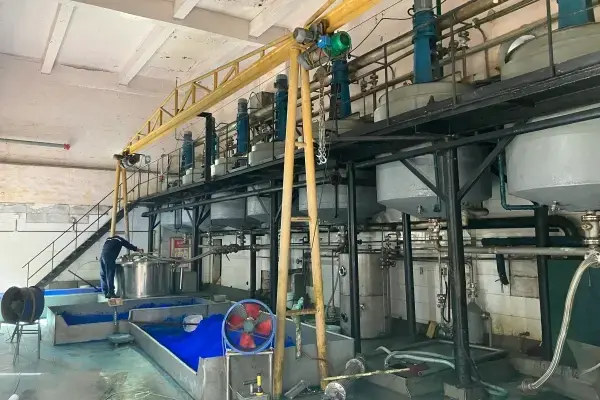
The prices of chromium ore and hydrochloric acid are largely determined by the costs of their raw materials. Changes in the market reflect changes in world supply and demand. Scale of production has a big effect on unit costs. Manufacturers with higher capacities that use ongoing processes usually have better prices than batch makers who make fewer items at a time. The costs of shipping dangerous goods are much higher, especially when going across foreign borders and needing special packaging and handling.
With volume agreements, you can get better prices. Suppliers often offer tiered prices, with big savings for buying in bulk or signing a multi-year supply deal. But buyers have to weigh the cost savings they find against the costs of keeping supplies and the length of time that materials will last. Because it absorbs water, Chromium Chloride Hexahydrate can only be stored for short periods of time, even in controlled settings.
Different sellers have very different payment terms. Established companies with good finances may offer net-30 or net-60 terms to approved buyers. Smaller distributors, on the other hand, usually need upfront payment or lines of credit. It's easier to see the value of something when you look at the whole financial package, like rebates for steady output, professional support services, and the ability to be flexible when there are supply problems.
Navigating Regulatory and Shipping Requirements
Chromium Chloride is a hazardous material for shipping, so it needs to be packed and shipped in a way that meets DOT standards for domestic exports. International sales are more difficult to handle because they have to follow IMDG (International Maritime Dangerous Goods) rules and trade limits that are specific to each country. These rules are easy for experienced sellers to follow, but buyers should make sure that all the necessary paperwork is included with packages to avoid delays at customs.
Environmental rules are making it harder to get Chromium compounds. There are fewer limits on Trivalent Chromium than on Hexavalent Chromium forms, but in some places you have to report Chromium sales above a certain amount. Keeping full paper trails that show how the items will be used and thrown away saves buyers during regulatory checks and shows care for the environment.
Trusted Suppliers and Brands of Chromium Chloride
Global Chemical Supply Leaders
Sigma-Aldrich and Merck are the biggest names in the market for lab-scale and research-grade Chromium compounds. They have a wide range of products and make sure they are of high quality. Their high prices are due to the fact that they offer full technical help, can track the history of each lot, and ensure purity standards. These providers are great for research and development (R&D) and small-batch specialty production, but they are often too expensive for large-scale commercial use.
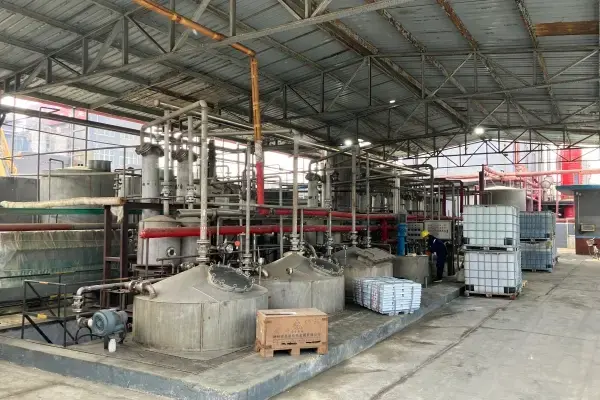
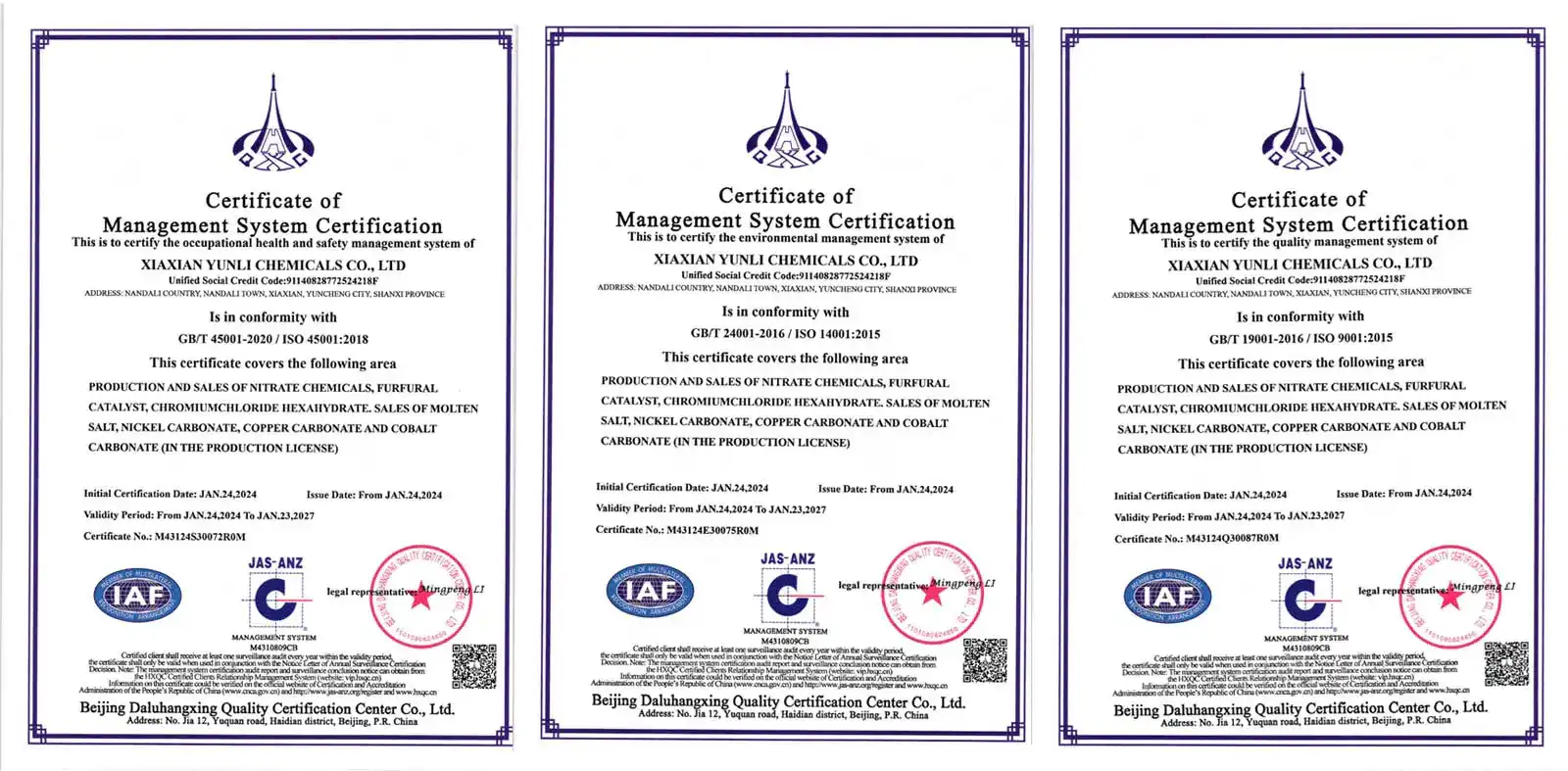
China-based producers have become major suppliers of industrial-grade Chromium Chloride by offering reasonable prices and higher quality standards. This group includes Yunli Chemical, which has been in business since 2005, makes more than 1 billion yuan a year, and has ISO 9001, ISO 14001, and OHSAS standards. The company's title as a local technology center shows that it can do real research and development (R&D) beyond just making basic goods.
Regional wholesalers all over the US offer personalized service and faster shipping for standard product grades, but they mostly act as middlemen who add a markup to the price of the goods without improving their quality. When buying chemicals from multiple sources at once, it makes sense to look at the relationships with distributors. However, when buying a single product in large quantities, direct producer relationships are often more cost-effective.
Criteria for Supplier Selection
Verifying the certification is the most important part of due diligence. ISO 9001 certification shows that quality management is orderly, and ISO 14001 certification shows that infrastructure is environmentally friendly. Getting OHSAS 18001 (or the later ISO 45001) certification for workplace safety shows that you care about protecting workers and making sure processes are safe. These are all things that are linked to reliable supply and consistent product quality.
Strategic sourcing choices are based on things like production capacity and financial security. Suppliers with specialized production lines and extra capacity can keep delivering to customers even if there are problems with raw materials or equipment. Yunli Chemical's RMB 300 million in fixed assets and 20-year history of operations show that it has keeping power that new companies or trade companies that don't have manufacturing assets can't match.
When it comes to complex applications, providers that offer technical help stand out. Manufacturers who have their own labs with ICP-MS and atomic absorption spectrometers can do special analyses, fix problems with applications, and come up with new specs that fit the needs of each process. This knowledge comes in very handy when trying to make plating baths work better or make more catalysts.
Red Flags and Risk Mitigation
When prices are extremely low, procurement teams should be wary. It takes a lot to make Chromium Chloride because of the raw materials and processing that go into it. Quotes that are much lower than the market average often mean that quality has been compromised, supply lines are unstable, or product sources can't be trusted. By asking for and checking multiple batch COAs, you can find out if suppliers keep quality uniform or if there is a lot of variation from batch to batch.
How quickly a supplier responds to technical questions shows how competent they are in operations. When asked about specifications, manufacturers with experienced technical staff give quick and accurate answers. In contrast, middlemen or sellers who aren't as skilled avoid questions or give vague answers. By testing this response during the initial approval phase, communication gaps are avoided during crucial production situations.
Before making big purchases, it is still important to test samples. Reliable sellers offer free samples—Yunli Chemical gives away up to 500 grams for free—so buyers can test the products' use in real-life production settings. Suppliers who are hesitant to give samples or charge too much for them may not be sure about the quality of their products or may be operating with limited inventory, which is a sign of supply risk.
Conclusion
To effectively source Chromium Chloride, you need to balance a number of factors, including product quality that meets exact specifications, supply reliability that keeps production running smoothly, regulatory compliance that meets safety and environmental standards, and competitive pricing that helps the business make money. There are a lot of choices when it comes to procurement, from high-end lab suppliers to cost-conscious makers. Each serves a different market group with a different value offering.
Industrial buyers can get the best quality control, expert support, and supply security when they work directly with approved producers like Yunli Chemical. Long-term supply ties are built on companies that have been in business for a long time, have all of their certifications, and have a lot of production capacity. Spending time carefully choosing suppliers, making sure they meet your needs, and building relationships with them will pay off in the long run by lowering the risk of purchasing things and improving overall performance across multiple production cycles.
FAQ
Q1: How should I store chromium chloride hexahydrate after delivery?
A: Chromium Chloride Hexahydrate should be kept in tightly sealed cases in climate-controlled areas that stay between 15°C and 25°C and have a relative humidity of less than 60%. Because the chemical is hygroscopic, it absorbs water from the air, which causes it to clump together and break down over time. When kept in the right conditions, original packaging usually protects well for 12 to 18 months. Move opened containers to secondary storage that is covered right away after use to keep moisture from getting in.
Q2: What purity level do I need for electroplating applications?
A: Standard electroplating processes work well with Chromium Chloride that is ≥98% pure, as long as the iron level stays below 30 ppm. ≥99% clarity is best for decorative chrome plating that needs to be seen from a distance. This lowers the risk of corrosion. For important medical or aircraft plating, ≥99.5% pure with iron below 10 ppm may be needed. Check the recipe instructions for your plating bath and talk to technical experts about your application needs to find the best purity grades for your process.
Q3: Can I import chromium chloride internationally without special permits?
A: Chromium Chloride usually doesn't need any special permits to be brought into the United States. It only needs the usual paperwork for dangerous materials. However, because it is an acidic substance, it needs to be properly packed and declared when it is shipped. Some countries have extra rules about Chromium compounds that need to be registered or pre-approved. Work with suppliers who have shipped chemicals internationally before and who take care of customs paperwork and meeting legal standards as part of their service.

Source Reliable Chromium Chloride from Yunli Chemical Today
Yunli Chemical sells Chromium Chloride Hexahydrate that is used in industry. They have been making chemicals for over twenty years and have approved quality management systems in place. Our standard for ≥99.5% purity and ultra-low iron content (≤30ppm, changeable to ≤10ppm) meets strict needs in electroplating, catalyst production, and pharmaceutical synthesis. We are a Chromium Chloride producer that follows ISO 9001, ISO 14001, and OHSAS standards and is recognized as a provincial technology center. We give procurement workers the supply security and expert help they need.
You can email us at wangjuan202301@outlook.com to talk about your unique needs, get full product specs, or set up free sample testing. We offer a range of packaging choices, from 25 kg bags to IBC containers, as well as concentrations that can be changed and direct factory prices with no minimum order numbers.
References
1. Smith, R.M. and artell, A.E. (2004). Critical Stability Constants: Inorganic Complexes, Volume 4. Springer Science & Business Media.
2. Cotruvo, J.A. and Sorg, T.J. (1998). "Chromium in Drinking Water: Occurrence, Exposure, and Health Effects." Journal of Environmental Science and Health, Part C, 16(2), 123-178.
3. Mandich, N.V. (2009). "Chemistry and Theory of Trivalent Chromium Electrodeposition." Plating and Surface Finishing, 96(4), 36-42.
4. Zaki, M.T.M. and Eldien, H.F. (2015). "Chromium Compounds in Industrial Applications: Properties, Production, and Safety Considerations." Industrial Chemistry Research Journal, 8(3), 245-267.
5. American Chemical Society (2018). Reagent Chemicals: Specifications and Procedures for Chemicals and Standard-Grade Reference Materials, 11th Edition. Washington, DC: ACS Publications.
6. Occupational Safety and Health Administration (2020). Hazard Communication Standard: Safety Data Sheets. U.S. Department of Labor Publication 3514-04R.