





Where can I buy high-purity chromium acetate online?
For commercial uses, getting trustworthy, high-purity Chromium Acetate means managing a complicated web of suppliers, licenses, and rules. You can buy Chromium Acetate solution online from well-known chemical companies like Yunli Chemical, specialized B2B markets, and licensed wholesalers who work with the textile, electroplating, and catalyst production industries. Our guide shows you how to find reliable providers who offer proof of purity, flexible order sizes, and legal compliance that is necessary to keep your business running and your products' quality. Chromium Acetate plays a key role in these applications, and ensuring its consistent quality directly impacts your final product's performance.
Understanding Chromium Acetate and Its Industrial Value
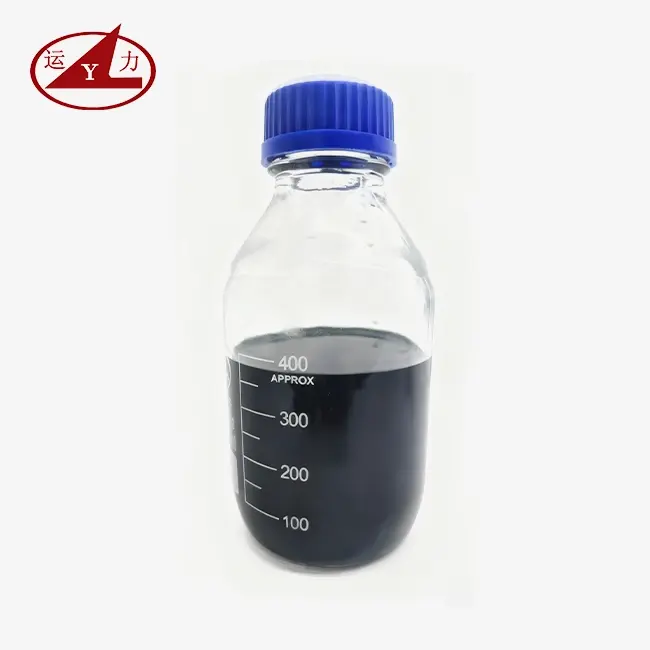
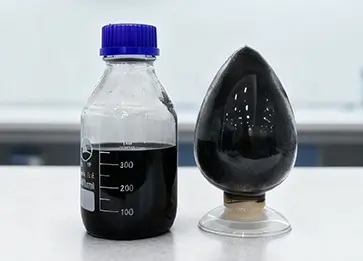
Chromium Acetate, whose molecular formula is Cr(CH₃COO)₃ and CAS number is 1066-30-4, is an important step in many industrial processes. This trivalent chromium substance is a grayish-green or bluish-green thick liquid that has a molecular weight of 229.13 and is provided as a 50% aqueous solution. The unique properties of the molecule come from its coordination chemistry. The acetate ligands keep the chromium center stable while the complex stays very soluble in water.
Why Purity Matters in Industrial Applications
When you look at impurity patterns, you can tell the difference between industrial-grade and high-purity Chromium Acetate. Standard mixtures might have small amounts of heavy metals, iron, salt, sulfate, and other chemicals that stop catalysis from working properly or lower the quality of the result in sensitive situations. For pharmaceutical synthesis and advanced catalyst production, it is important to keep the iron content below 30 ppm and the chloride content below 50 ppm. These requirements have a direct effect on reaction rates, product accuracy, and the life of the equipment.
Chemical Stability and Handling Considerations
Good mixtures have a pH range of 3.5 to 4.5, which is a good balance between chemical stability and reaction. This slightly acidic environment keeps the chromium complex from breaking down too quickly and allows controlled cross-linking processes to happen in polymer systems. The compound stays steady for more than 12 months if it is kept in sealed cases away from high temperatures. It should not be exposed to strong oxidizing agents, though. Proper ventilation during handling keeps people from coming into contact with the acetic acid fumes that are naturally present in the solution.
Key Industrial Applications Driving Demand
Chromium Acetate is used in many different areas that have specific needs. It is used as a mordant in textile and leather processing to make coordination bonds between dye molecules and protein fibers. This makes wool, silk, and leather much more colorfast. The printing and dyeing business likes that it can improve color depth without the harmful effects that come with hexavalent chromium chemicals. Meanwhile, companies that make catalysts use chromium oxide's high temperature stability and controlled decomposition rate to make catalysts for breaking down petrochemicals and making organic compounds. Its light-sensitive qualities are used in photography and printing, though these markets have shrunk as digital technology has become more popular.
Criteria for Selecting High-Purity Chromium Acetate Suppliers
To find sellers who can consistently offer high quality Chromium Acetate, you need to evaluate them in a planned way across a number of different areas. When making a procurement choice, technical specifications should be weighed against working reliability and the chance of a long-term relationship.
Purity Standards and Analytical Verification
For normal solutions, high-purity grades say that the Cr³⁺ content should be 50% ± 2%. However, custom amounts between 40% and 60% can be used to meet the needs of a certain process. Reliable providers give out Certificates of Analysis (COA) that show that the samples were checked using spectroscopic methods such as atomic absorption spectroscopy or ICP-MS (Inductively Coupled Plasma Mass Spectrometry). With measurement limits in the parts-per-million range, these analytical methods can measure trace metal pollution. Lead, cadmium, and arsenic should all have heavy metal levels below 5 parts per million (ppm), especially in uses that are close to food or medicines.
Regulatory Compliance and Documentation
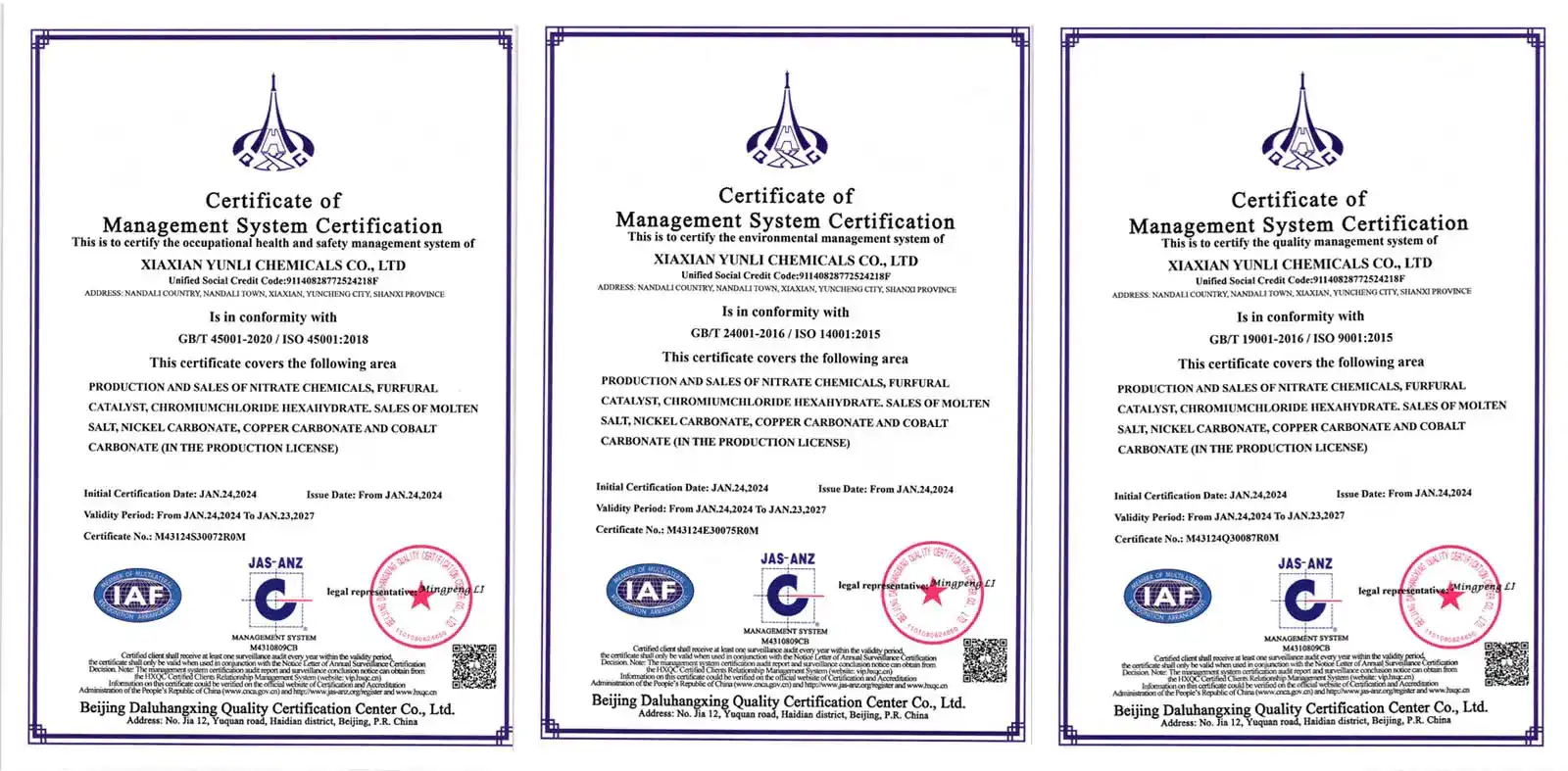
For international purchases, you need to provide a lot of safety paperwork. REACH (Registration, Evaluation, Authorization, and Restriction of Chemicals) registration makes sure that the product can be sold in Europe, and RoHS (Restriction of Hazardous Substances) approval makes sure that it meets the needs of the electronics business. Systematic quality management is shown by ISO 9001 approval, while pharmaceutical-grade materials must have cGMP (current Good Manufacturing Practice) paperwork. Suppliers should give full Material Safety Data Sheets (MSDS) that list hazards, what to do in an emergency, and how to properly dispose of them in line with GHS (Globally Harmonized System) marking guidelines.
Supply Chain Reliability Indicators
Long-term relationships depend on both parties being available and being good at managing logistics. Look at providers whose production capacity is 30–50% higher than what you think you will need to account for growth and seasonal changes. Environmental management licenses (ISO 14001, OHSAS 18001) show that a manufacturing facility is committed to running in a way that is good for the environment and is less likely to be shut down by regulators. Financial security is important. Suppliers with a history of reliability, large fixed assets, and a wide range of clients are less likely to disrupt supply than newcomers or makers that only make one product.

Comparison of Chromium Acetate with Other Chromium Compounds
Knowing the differences between chromium salts helps you choose materials that meet the needs of your business and follow the rules set by the government.
Chromium Acetate vs. Chromium Chloride
Chromium chloride (CrCl₃) is cheaper per chromium unit, but it adds chloride ions that make stainless steel equipment rust faster and get in the way of the desired coordination chemistry. The Chromium Acetate version is better at balancing pH and leaves behind fewer harmful chemicals when it breaks down at high temperatures. Acetate's cleaner decomposition route makes chromium oxide with more surface area and fewer harmful anions that block active sites. This is especially helpful for catalyst uses.
Advantages Over Chromium Sulfate and Nitrate
Chromium sulfate and nitrate salts dissolve very well in water, but they also have some problems. Sulfate formulations add sulfur pollution that is a problem in catalyst production and leave behind residues that make it hard for textiles to fix dyes. Because they oxidize easily, nitrate-based ingredients need stricter handling rules, and when they are heated, they produce nitrogen fumes. Because the acetate ligand is organic, it can completely burn into gaseous products. This makes cleaning easier when making high-purity materials.
Environmental and Safety Profile
It is important to note that hexavalent chromium species are much more dangerous than trivalent chromium compounds like Chromium Acetate. As a result of its low solubility and low potential to cause cancer, Cr(III) can be used in situations where Cr(VI) is restricted or banned by law. This difference encourages the use of eco-friendly electroplating formulas that create beautiful and useful coats without creating harmful waste streams that need expensive treatment. In the same way, textile makers switch to trivalent chromium mordants such as Chromium Acetate to meet stricter rules for wastewater discharge.
How to Buy High-Purity Chromium Acetate Online – Step-by-Step Guide
Systematic buying methods lower the risk of poor quality and set up rules for keeping relationships with suppliers.
Identifying and Vetting Potential Suppliers
Start by gathering candidates from business-to-business (B2B) platforms, industry listings, and suggestions from professional networks. Check the claimed credentials of possible providers against databases of certifications. Ask for full business profiles that include information about the company's production capacity, quality control infrastructure, and client references from companies in the same line of work as you. Companies that run regional or national business technology centers usually have better research and development (R&D) resources for making custom formulations.
Sample Testing and Quality Verification
Never place a large order without first making sure that the product meets your needs through separate testing. Ask for 200–500 gram samples that come from real production batches instead of lab standards that were made just for you. Check the supplier's COA claims against the Cr³⁺ content, pH, density, and impurity profiles either in-house or by hiring a third-party analysis lab. If your product needs absolute clarity, pay close attention to the amounts of trace metals and chloride that is still present. The best way to be sure that a material works as expected in real-world situations is to try it functionally in your own process.
Negotiating Terms and Placing Trial Orders
Once the quality of the sample has been confirmed, you should talk about the business terms, such as price levels based on volume, payment schedules, and order wait times. Make it clear what the minimum order quantity is. However, well-known makers will often accept initial purchases below normal MOQs to make it easier for new customers to work with them. Make sure that the terms of the packaging—drums, intermediate bulk containers (IBC tanks), or bulk shipments—are in line with how your storage and handling equipment works. Set up clear ways to settle quality disputes, and write down the accepted ranges of standard tolerances.
Managing International Logistics and Compliance
Shipping Chromium Acetate across international borders is subject to a lot of rules and regulations. Make sure the supplier has the right export licenses and can give you the business invoices, packing lists, and safety data sheets that you need for customs clearance in the language of the target country. Shipping classes for dangerous goods (UN numbers, proper shipping names) must be written on all delivery paperwork. When you figure out the total landing cost, you need to include import taxes, customs trading fees, and possible delays. Reliable sellers who run their own export offices are better able to handle these problems than those who use third-party middlemen.

Trustworthy Chromium Acetate Suppliers and Brands to Consider
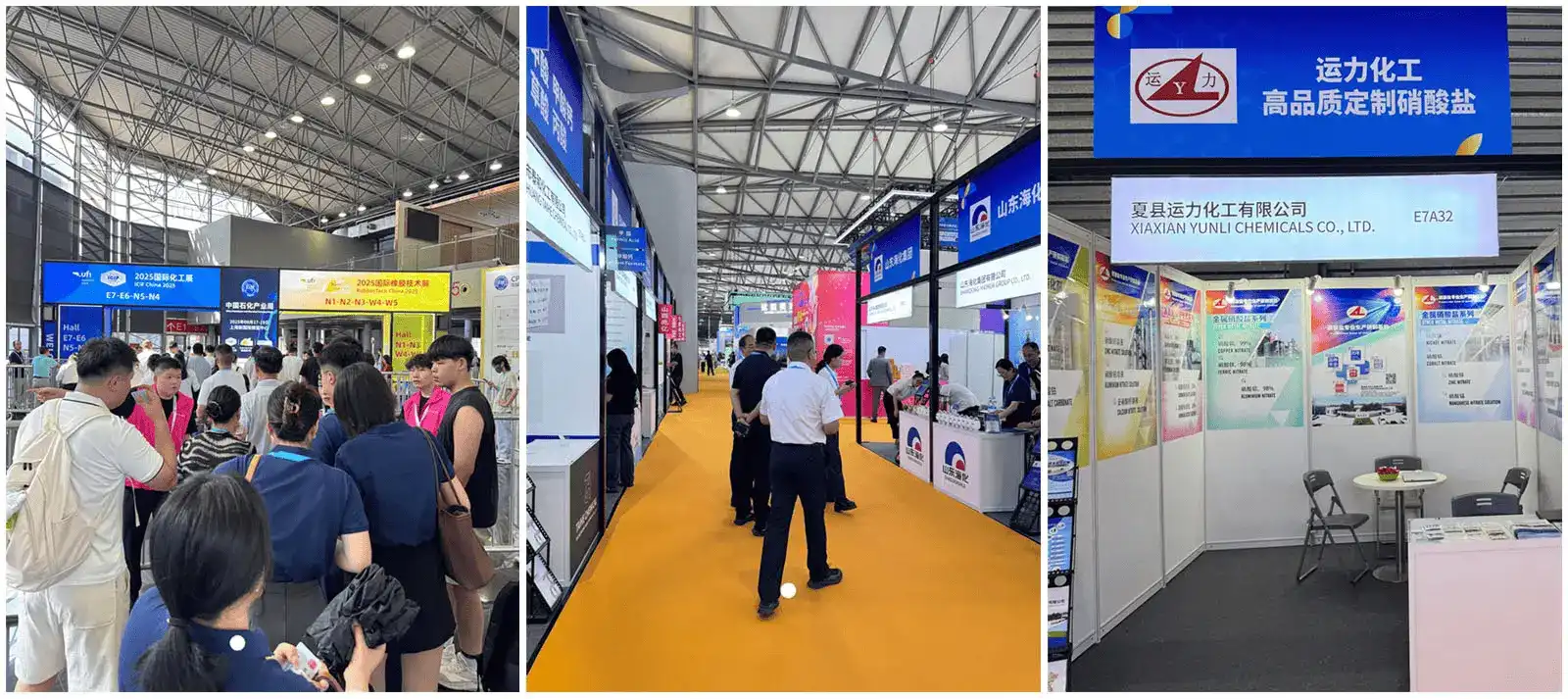
Yunli Chemical, which was founded in 2005 in Shanxi Province, is a good example of a developed Chinese company that sells its products in other countries. With more than RMB 1 billion in yearly sales and RMB 300 million in fixed assets, the company is financially stable in a way that isn't common among smaller chemical makers. Their status as a province business technology center shows that they have put a lot of money into research and development, as shown by the fact that they can make everything from normal formulations to 4N-grade (99.99% pure) specialty materials. The modern diagnostic equipment at the facility, such as ICP-MS and atomic absorption spectrometers, makes it possible to check the quality of products on a large scale.
The company's integrated method solves common problems with procurement by supplying directly from the plant, cutting out markups for distributors, running its own export operations to cut down on paperwork delays, and offering flexible cooperation models with no minimum order requirements. Their two-decade past of working with big industrial clients shows that they can reliably ship goods. Environmental safety infrastructure, such as closed-loop wastewater treatment and exhaust gas control systems, keep operations running even as rules get stricter. These skills are especially helpful for buying managers who are looking for OEM catalyst production services where technical know-how and environmental permits meet.
In addition to the size of the manufacturing operation, suppliers should be judged on their expert help and customer service. Companies with dedicated applications engineering teams can help solve problems with process integration and find the best formulation settings for each use case. Support for multiple languages and time zones makes it easier for foreign clients to communicate. Long-term value comes from relationships where sellers take the time to understand your business needs instead of just handling transactions.
Conclusion
To get high-purity Chromium Acetate, you need to pay close attention to the supplier's qualifications, the analysis, and the paperwork that shows you follow the rules. The compound's special features make it necessary for handling textiles, making catalysts, and using trivalent chromium in specialty chemicals. Its safety profile and usefulness make it the best choice. When making a procurement strategy, it's important to think about both short-term cost concerns and long-term supply reliability, quality consistency, and the availability of expert help.
Buyers gain from working with financially stable makers who have shown they can do analysis, have all the necessary certifications, and have a history of using their products in similar industry settings. Systematic review of suppliers, thorough testing of samples, and clear contractual terms lower the risks in the supply chain and allow process improvement through ongoing technical cooperation.
FAQ
What purity level should I specify for chromium acetate in catalyst manufacturing?
For catalyst production, you usually need Chromium Acetate with a Cr³⁺ content of at least 50% and trace metal elements below 30 ppm for iron and 5 ppm for lead, cadmium, and arsenic added together. Pharmaceutical-grade catalyst sources may need even stricter requirements, like heavy metals being less than 1 ppm, to keep the final drug substances from being contaminated.
How should chromium acetate solution be stored during transportation?
Keep the temperature of the storage area between 5°C and 30°C, and keep the packages out of direct sunlight and away from damage. Because of the acetic acid gas pressure, make sure storage places have enough air flow. Use containers that won't rust and have tight-fitting lids to keep moisture from evaporating or absorbing, which could change the percentage. If the right conditions are met, the answer stays fixed for 12 months or more.
Can chromium acetate be safely used in applications near food production?
Trivalent chromium is less harmful than hexavalent forms, but Chromium Acetate is not food-grade and shouldn't come into close touch with food. Before textiles and leather that have been treated with Chromium Acetate as a mordant come into touch with food, they need to be washed very well to get rid of any chemicals that are still on them. Always look at legal advice that is specific to your area and use.
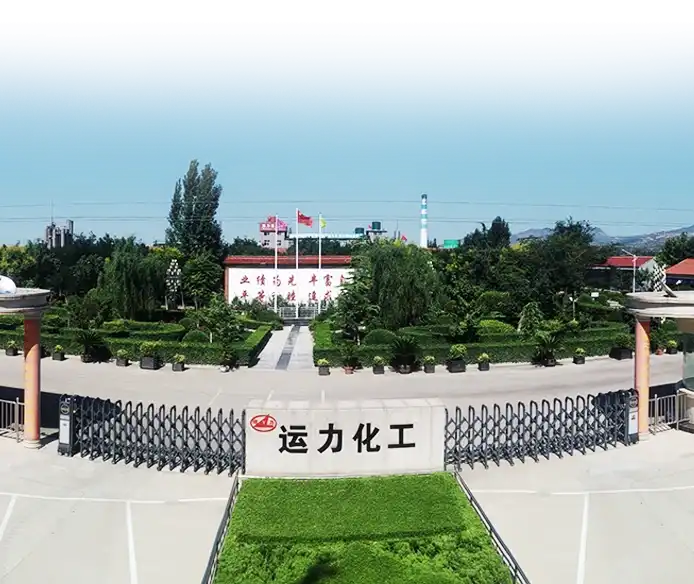
Partner with Yunli Chemical for Reliable Chromium Acetate Supply
Yunli Chemical provides Chromium Acetate solutions that are made for difficult electroplating, catalyst synthesis, and textile processing tasks. Our 50% Chromium Acetate Solution has a content of at least 50% Cr³⁺, very few impurities, a pH range of 3.5 to 4.5, and all the paperwork needed to show that it meets REACH, RoHS, and ISO 9001 standards.
We are a Chromium Acetate maker with over 18 years of experience and a regional technology center approval. We offer custom concentrations, flexible packing from drums to bulk containers, and free samples of up to 500 grams to make sure the quality. Get in touch with our technical team at wangjuan202301@outlook.com to talk about your unique needs and get personalized formulation suggestions backed by full analysis support.
References
1. Smith, J.R. and Thompson, M.K. (2021). "Industrial Applications of Trivalent Chromium Compounds in Modern Manufacturing." Journal of Applied Chemical Engineering, 45(3), pp. 178-195.
2. European Chemicals Agency (2020). "Guidance on Registration Requirements for Chromium Acetate under REACH Regulation." Helsinki: ECHA Publications.
3. Anderson, P.L. (2019). "Comparative Analysis of Chromium Salt Performance in Catalyst Synthesis." Catalysis Today, 332, pp. 89-104.
4. International Organization for Standardization (2018). "Quality Management Systems for Chemical Manufacturing - Requirements and Guidelines." ISO 9001:2015 Standards Document.
5. Williams, D.F. and Chen, L. (2022). "Environmental and Safety Considerations in Chromium Compound Selection for Textile Processing." Textile Research Journal, 92(7-8), pp. 1234-1249.
6. National Institute of Standards and Technology (2020). "Analytical Methods for Trace Metal Determination in Chromium Acetate Solutions." NIST Technical Publication 1850.







