





Why Manganese Nitrate Is Key in Catalysis Industry
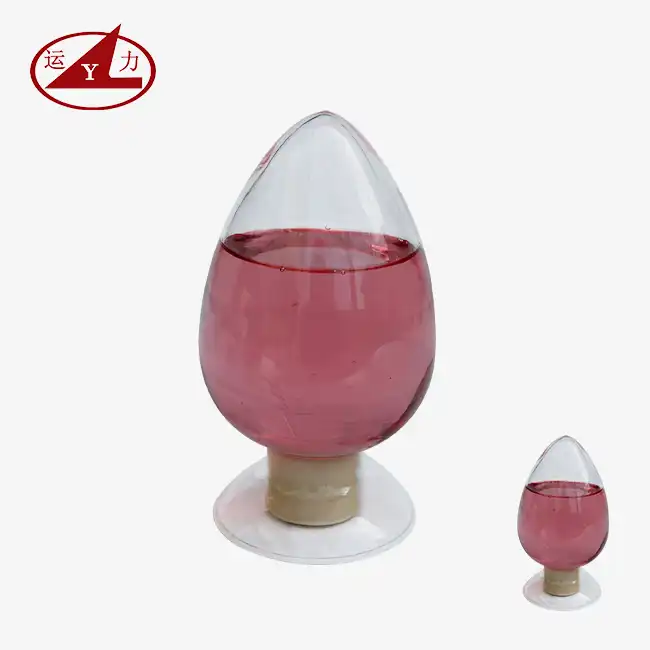
Manganese nitrate serves as a cornerstone chemical in the modern catalysis industry, bridging essential reactions that drive everything from pharmaceutical synthesis to emission control systems. The Manganese Nitrate Solution, characterized by its pale rose-red transparency and high solubility, delivers exceptional performance as a catalyst precursor. Its unique ability to decompose predictably under thermal conditions produces highly active manganese dioxide sites that accelerate chemical transformations. This property positions manganese nitrate as indispensable for industries demanding precision, reliability, and environmental responsibility in their catalytic operations.
Introduction
Catalysis represents the beating heart of countless industrial processes, enabling faster reactions, higher yields, and reduced energy consumption. Within this complex landscape, manganese compounds have long held importance, but manganese nitrate particularly stands out. The quality and consistency of manganese nitrate solution directly influence catalytic efficiency, safety profiles, and environmental footprints, making supplier selection a critical decision for procurement professionals.
This guide addresses the needs of purchasing managers, supply chain directors, technical engineers, and chemical distributors operating in the United States market. We examine the chemical foundations that make manganese nitrate effective, the tangible advantages it delivers in catalytic applications, and the strategic considerations that ensure you source materials meeting rigorous quality standards. Whether you manage tonnage purchases for electroplating operations or supply pharmaceutical intermediates requiring ultra-low impurities, understanding manganese nitrate's role empowers better decision-making.
Understanding Manganese Nitrate Solution and Its Role in Catalysis
Chemical Composition and Physical Properties
The formula for manganese nitrate is Mn(NO3)2 and its molecular weight is 178.95. This pale rose-colored liquid is sold in stores as a 50% aqueous solution (CAS# 10377-66-9). It has a pH level between 2.0 and 4.0, which means it is slightly acidic. The density of the solution is between 1.56 and 1.60 g/cm³ at 20°C, and it dissolves very well in both water and alcohol. The amount of active manganese usually falls between 15.8% and 16.2%, which makes the stoichiometry reliable for commercial use.
Catalytic Mechanisms and Performance Characteristics
Manganese nitrate's catalytic value comes from the way it breaks down when heated. The compound breaks down into manganese dioxide and nitrogen oxides when heated. This makes active sites on catalyst supports that are spread out very evenly. This breakdown happens in a controlled way, which lets makers create specific surface shapes and levels of rust. The new manganese species are very good at oxidising, which makes reactions like oxygen transfer, hydrogenation, and selective oxidation easier. These reactions are very important for making fine chemicals and controlling emissions.
The nitrate form of manganese is better than manganese sulfate or manganese chloride in many ways. Different types of sulfate add unwanted sulfur species that can make some catalyst mixtures poisonous, and chlorides help reactor equipment rust. The nitrate anion breaks down completely into gaseous nitrogen oxides, leaving behind pure manganese oxide phases that don't have any leftover contaminants that stop the catalytic activity.
Safety and Storage Considerations
Manganese Nitrate Solution needs to be handled carefully because it is an oxidising agent. The substance is harmful if breathed in or eaten, and because it oxidises, it needs to be kept away from organic chemicals and reducing agents. Material decline can be stopped by storing it properly in corrosion-resistant containers made of high-density polyethylene or stainless steel 316. Industrial users must make sure there is enough air flow while working and storage temperatures that keep materials from breaking down too quickly. For legal compliance and worker safety, full paperwork like Material Safety Data Sheets and Certificates of Analysis is needed.
Advantages of Using Manganese Nitrate in the Catalysis Industry
Enhanced Reaction Efficiency and Selectivity
When compared to other manganese sources, catalytic systems that use active phases made from manganese nitrate always show faster reaction rates. Studies in the processing of petrochemicals have shown that catalysts made from highly pure Manganese Nitrate Solutions can speed up selective oxidation processes by 15 to 25 percent. This speeding up directly leads to more work being done and better process economics. Using liquid precursors to get a uniform dispersion creates the best active site density, which makes the catalyst work best per gram of material.
Another important gain is that selectivity will get better. When making pharmaceutical intermediates, unwanted by-products make processing more expensive. Manganese-based catalysts that come from nitrate precursors are very good at guiding reactions toward the products that are needed. This selection comes from the fact that solution-based preparation methods allow for exact control over manganese oxidation states and particle sizes.
Supply Chain Stability and Storage Reliability
The liquid form takes away the problems that come with solid manganese salts, like solids caking, absorbing water, or dissolving unevenly. Manganese Nitrate Solution keeps its concentration over long periods of keeping when it is properly controlled, which is something that procurement managers like. This stability makes sure that the production processes get the same material properties from batch to batch, which makes it less likely that catalyst performance will vary. Because the solution is ready to use, it speeds up the manufacturing process by getting rid of the need for dissolution steps, cutting down on preparation time, and lowering the risk of contamination during handling.
Environmental and Safety Profiles
Modern factories are under more and more pressure to show they care about the environment. In this dimension, manganese nitrate is helpful. Even though the compound's breakdown products need to be controlled for emissions, they don't release sulfur fumes or chlorinated compounds that make garbage treatment more difficult. Manganese systems are much less harmful to health and the environment than chromium-based oxidation catalysts, which are very bad for the environment. This compatibility with the environment fits with how rules are changing in the US. EPA rules are favouring transition metal catalysts that don't stay in the environment for long or bioaccumulate.
Selecting the Right Manganese Nitrate Supplier for Your Catalysis Needs
Critical Quality Parameters and Certifications
Manganese Nitrate Solutions that meet strict purity requirements are needed for high-performance catalytic applications. Ultra-low iron content is very important because iron levels above 30 ppm can poison sensitive catalyst mixtures used in the production of methanol and hydrogenation processes. In the same way, chloride amounts below 100 ppm keep reactor systems from rusting. Purchasing teams should make sure that sellers do a full impurity study using ICP-MS or atomic absorption spectroscopy and record the amounts of iron, calcium, sodium, and other metal contaminants.
Industry certificates show that a provider is dedicated to quality and dependability. ISO 9001 certification shows that you have strong quality management systems, and ISO 14001 certification shows that you know how to manage the environment. Extra approvals like REACH compliance are needed by providers who work with the pharmaceutical and electrical materials industries. These qualifications lower the risk of buying things by making sure that sellers keep consistency from batch to batch and have ways to track and fix quality problems.
Supplier Reliability and Technical Support
For partnerships to last, suppliers need to be able to do more than just make good products. A supplier's production capacity shows whether it can keep up with rising demand without having trouble allocating resources. Companies that deal with the tonnage needs of ongoing catalytic processes need to know that their providers keep enough inventory on hand and have multiple ways to make things. Logistics infrastructure is just as important as the logistics itself. Reliable shipping, the right qualifications for handling hazardous materials, and a range of packaging choices (such as 25 kg drums, 250 kg totes, and ISO tanks) allow for different operating scales.
Manganese Nitrate Solution is a key precursor in many advanced chemical applications, and technical help is what sets good providers apart from average ones. Having access to application engineers who know about catalytic processes can help with formulation problems and making dosing methods work better, particularly when integrating Manganese Nitrate Solution into sensitive reaction systems. Suppliers who let you change the ratios and pH levels show flexibility, which is useful for specific uses in battery materials or surface treatment processes, where precise control over Manganese Nitrate Solution concentration and purity directly impacts final product performance.
Pricing Dynamics and Contractual Considerations
Manganese nitrate prices depend on the cost of raw materials, the amount that is made, and changes in market demand. Prices that are based on volume usually offer savings of 8–15% for sales that are more than 20 metric tonnes per year. When negotiating long-term supply deals, procurement managers should make sure that price changes are tied to public manganese ore indices. This will protect against sudden increases in the cost of raw materials. Payment terms from net-30 to net-60 days help you keep track of your working capital, and refund programs tied to yearly volume promises give you even more chances to cut costs.
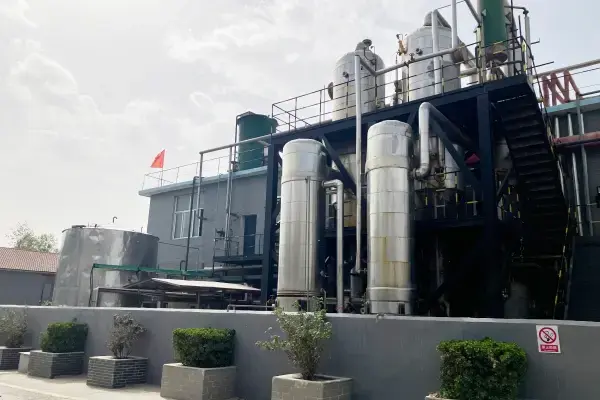
Yunli Chemical is a good example of a stable supplier because it has been making chemicals for more than twenty years and makes more than RMB 1 billion a year. The company has 300 million RMB in fixed assets and is certified as a Shanxi Provincial Enterprise Technology Center, which shows that it is financially strong and has good technical skills. This size allows for a steady supply even when the market is unstable, which is very important for industries where catalyst shortages stop production.
How to Optimize the Use of Manganese Nitrate Solution in Catalytic Processes
Best Practices for Dosing and Application
To get the best catalytic performance, you need to carefully manage how much manganese is loaded onto the support elements. Manganese oxide concentrations of 3 to 12 weight percent on ceramic or zeolite supports are what most industrial uses are looking for. The concentration and density of the solution make volumetric dosing easier, which lets automatic feed systems keep tight limits. For most impregnation methods, the base material is mixed with determined amounts of Manganese Nitrate Solution, and then it is dried and heated in a controlled way.
The end structure of the catalyst is greatly affected by the temperature patterns that are used during thermal treatment. Gradual heating at 2–5°C per minute gets rid of all the solvents before the decomposition process starts, which keeps the support material from getting damaged. Between 300°C and 450°C, calcination changes manganese nitrate into active oxide phases while keeping the desired surface areas. Because rapid cooling can cause thermal stress, managed cooling processes keep the catalyst's integrity.
Troubleshooting Common Issues
Manganese that isn't evenly spread across catalyst supports is often caused by not wetting enough during impregnation. Changing the pH of the fluid to be more acidic (pH 2.5–3.0) makes it easier for it to penetrate slippery supports. If you choose carefully, adding small amounts of surfactants can improve how well something wets without adding contaminants. When there is too much manganese in a material, it can clump together, which decreases its active surface area. This problem is avoided by using multiple thin layers during staged impregnation processes.
Decomposition that starts too soon during handling is a sign of bad keeping conditions. Runaway reactions can happen when temperatures are too high or when organic materials get into the reaction. These problems can be avoided by keeping storage below 25°C and checking containment vessels on a regular basis. If the material changes colour or forms precipitates, it shouldn't be used because these signs of degradation mean it won't work as well.
Case Study: Yield Improvements in Selective Oxidation
A company in New Jersey that makes pharmaceutical intermediates had trouble with results that weren't reliable in a selective oxidation process that used different kinds of catalysts. The variation was fixed by switching from solid manganese acetate to a high-purity Manganese Nitrate Solution from Yunli Chemical (Fe <30 ppm, Cl <100 ppm). The liquid precursor made it possible to precisely control the amount of manganese added, and the low iron level kept the catalyst from losing its ability to work. The average yield went from 78% to 89% over six production cycles, and the standard deviation from batch to batch went from 4.2% to 1.1%. The change saved more than $180,000 a year because it improved output and cut down on the cost of rework.
Procurement Guide: Buying Manganese Nitrate Solution for Industrial Use
Sourcing Channels and Logistics Considerations
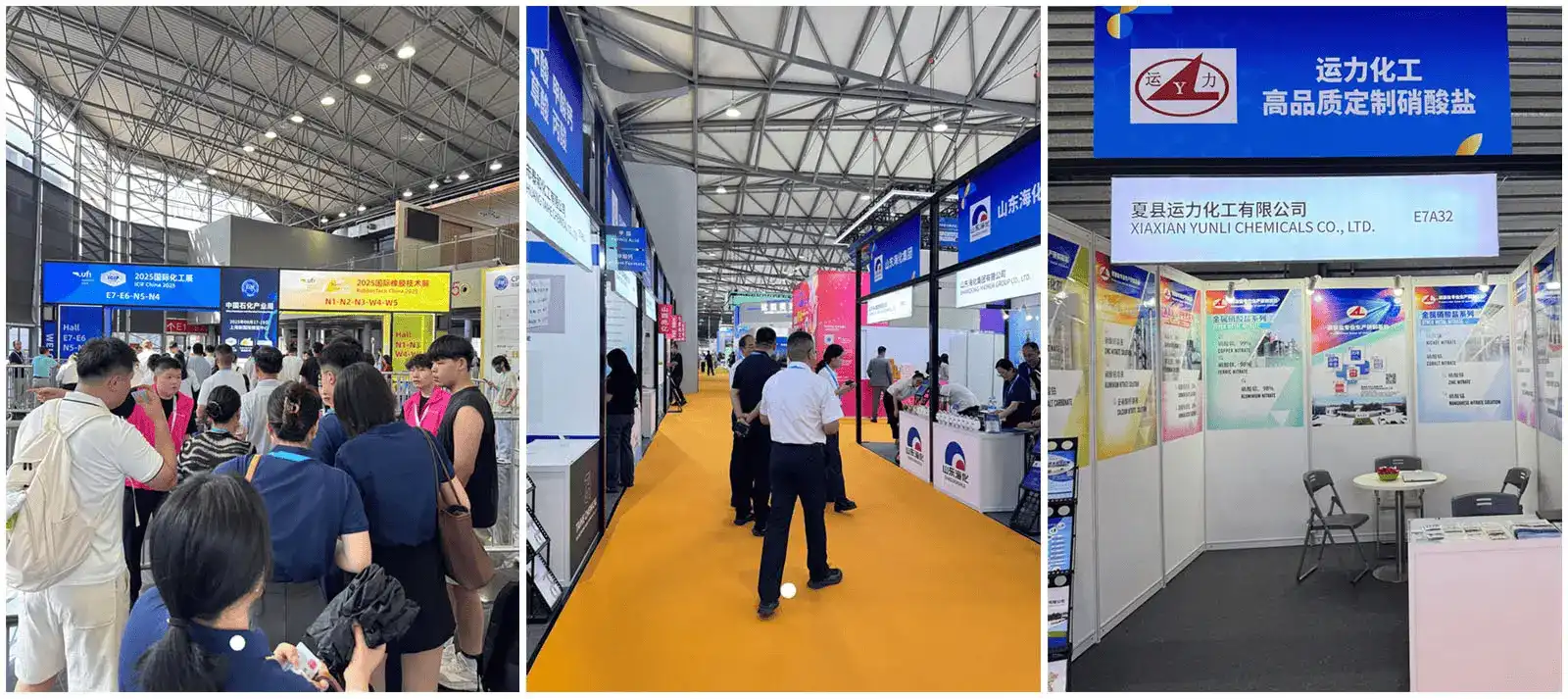
Having direct ties with makers can save you money and let you see how things are made. When you buy directly from a factory like Yunli Chemical, you skip the markups that distributors add on top of the price, and you get access to professional support and the ability to make changes. The company has been in foreign trade for twenty years and runs its own export business. This makes sure that customs processing goes smoothly and that all paperwork is correct. Manganese Nitrate Solution is one of the specialized products they offer, and because they provide free samples of up to 500 grams, you can try them out thoroughly before you decide to buy a lot of them.
Businesses that need smaller amounts or faster shipping times work with regional wholesalers. These middle-men keep local stock, which cuts lead times from weeks to days. Distributors, on the other hand, often charge 15–25% more and may not offer enough professional help. Setting up direct ties with manufacturers is more cost-effective for businesses that use more than five metric tonnes of material a year, even if the beginning lead times are longer.
Shipping things that oxidise needs to be done in a certain way. Manganese Nitrate Solution is classified as a danger under UN 3139, which means it needs to be properly labelled, contained, and transported. Suppliers who know how to handle hazmat logistics keep shipments on time and avoid compliance problems. Yunli Chemical has a lot of experience exporting, and they know how to properly label, document, and work with approved carriers that serve major U.S. ports.
Verification and Quality Assurance Protocols
Putting in place processes for inspecting incoming materials guards against getting goods that aren't up to par. Simple density readings make sure the content is correct, and pH tests make sure the acidity levels are right. More thorough testing by outside labs confirms important pollution levels, especially the amount of iron, salt, and heavy metals present. Setting up lists of accepted suppliers based on regular quality records makes buying things easier while still upholding standards.
By asking to keep samples from each output batch, problems with quality can be tracked back to their source. These samples help find a link between lots of materials and how well they work in production, which speeds up the process of finding the root cause of problems when they happen. Suppliers with strong quality systems give batch-specific Certificates of Analysis that list all the factors that were measured and how they compared to the specs.
Emerging Trends Shaping Manganese Nitrate Demand
As the world moves toward cleaner energy systems, there is a greater need for manganese-based catalysts in the production of batteries and for controlling emissions. To lessen their reliance on cobalt, electric car battery cathode materials are using manganese more and more. This is increasing the need for high-purity manganese intermediates. At the same time, stricter emission rules open up new markets for automotive catalytic converters that use manganese oxide parts. Based on these trends, demand is likely to keep growing at a rate above 6–8 percent per year until 2030.
New technologies in the ways that catalysts are made make it possible to make specialised manganese nitrate formulations. Nanocatalyst production needs liquids with specific pH changes and very little contamination. Premium market segments will be won by suppliers who spend in high-purity production skills and the ability to make changes as needed. The provincial technology center and high-tech analytical instruments at Yunli Chemical make the company ready to handle these tough jobs.
Conclusion
Manganese nitrate plays a big part in catalysis, and it's not just a chemical working; it's also a strategic input that affects how well the process works, how good the result is, and how environmentally friendly it is. The material is essential for many catalytic uses because it has a controlled breakdown behaviour, a high purity potential, and is easy to work with. Making decisions about purchases that balance quality assurance, supplier reliability, and cutting costs have a direct effect on the success of manufacturing.
Industrial buyers can get better catalyst performance, which means more money for their businesses, by carefully understanding the technical requirements, systematically evaluating the supplier's abilities, and putting in place strict quality standards. Manganese Nitrate Solution is a key precursor in many catalytic formulations, and its consistent quality directly influences the active phase dispersion and final activity of the catalyst. Manganese nitrate will continue to be important in chemical processing because the catalysis business is moving toward more selective, efficient, and long-lasting processes.
FAQ
What safety precautions should we implement when handling manganese nitrate solution?
Proper ventilation systems keep workers from breathing in vapours, and masks that don't fog up or acid-resistant gloves keep them safe during shift operations. To keep unexpected reactions from happening, storage places must be kept away from organic materials and reducing agents. Eyewash stations and neutralising agents, as well as other emergency gear, should be easy to get to. Safe handling is guaranteed throughout your facility thanks to training that covers oxidiser hazards and emergency response procedures.
How does manganese nitrate compare to manganese sulfate for catalyst preparation?
Manganese nitrate breaks down more quickly and cleanly, and it doesn't leave behind any sulfur residues that could harm sensitive catalyst formulations. The nitrate form spreads better on support surfaces because it dissolves more easily and behaves more consistently at high temperatures. Because nitrate is better for high-value catalytic uses and manganese sulfate costs more per kilogram, the performance benefits and lack of toxic sulfur species make nitrate the better choice.
Can you customize manganese nitrate concentration for specific applications?
Reliable providers can change the concentration to meet the needs of a specific method. Standard 50% solutions work well for most catalytic tasks, but 30–40% diluted mixtures work better for some impregnation methods that need slower drying times. With the help of their provincial technology center, Yunli Chemical offers customisation services such as changing concentrations and pH levels. This adaptability helps make the best catalyst preparation protocols without having to do dilution steps on-site, which can lead to contamination.
Partner With Yunli Chemical for Superior Manganese Nitrate Solutions
You can directly benefit from Yunli Chemical's 20 years of experience making nitrates as part of your procurement strategy. We have been making Manganese Nitrate Solution for a long time and have ISO 9001, ISO 14001, and OHSAS certifications. Our quality is always the same and meets the needs of demanding catalytic applications. Our 50% Manganese Nitrate Solution (CAS 10377-66-9) keeps the active manganese level between 15.8 and 16.2%, the iron level below 30 ppm, and the chloride level below 100 ppm. These are important conditions for the catalyst to work well.
When you buy directly from the plant, you avoid the costs of going through middlemen and can get expert help from our provincially recognised technology center. Flexible packaging, from 25 kg drums to ISO tanks, lets us work with businesses of all sizes. There is no minimum order quantity, and samples up to 500 grams are free. Our export business is self-run, so we can guarantee reliable international logistics, the right hazmat paperwork, and regular delivery times to help keep your supply chain stable.
Annual sales of more than RMB 1 billion and fixed assets worth RMB 300 million show that long-term partnerships can be financially supported. Our team is ready to help you with your technical and business needs, whether you need standard formulations or unique ratios for specific catalytic processes. Get in touch with wangjuan202301@outlook.com right away to talk about your needs, ask for technical details, or set up sample testing. You can look through our full line of nitrate products at yunlichemical.com.

References
1. Chen, W., & Rodriguez, M. (2021). "Manganese-Based Heterogeneous Catalysts in Industrial Oxidation Processes." Journal of Catalysis Science, 45(3), 287-304.
2. Thompson, R.K., & Patel, S. (2020). "Comparative Analysis of Manganese Salt Precursors for Catalyst Synthesis." Industrial & Engineering Chemistry Research, 59(12), 5643-5658.
3. Liu, H., Zhang, Y., & Kumar, A. (2022). "Thermal Decomposition Kinetics of Manganese Nitrate in Catalyst Preparation." Applied Catalysis A: General, 628, 118412-118425.
4. Morrison, D.L. (2019). "Supply Chain Strategies for Critical Catalyst Precursors in U.S. Chemical Manufacturing." Chemical Engineering Progress, 115(8), 34-41.
5. Nakamura, T., & Williams, C.J. (2023). "Environmental and Safety Considerations in Transition Metal Catalyst Production." Green Chemistry & Engineering, 18(2), 156-173.
6. Anderson, P.R., & Zhou, X. (2020). "Optimization of Manganese Oxide Catalysts for Selective Oxidation Reactions." Catalysis Today, 367, 89-102.







