


Why molten salt stays ht
Due to its high specific heat capacity—roughly 1.5 kJ/kgK—which allows it to receive and store significant thermal energy, Molten Salt holds heat exceptionally well. This eutectic mixture of inorganic nitrates and nitrites doesn't change phases or break down at high temperatures like most fluids do. It stays stable at high temperatures from 150°C to 565°C. The molecular structure forms a dense energy reservoir that releases heat slowly and reliably. This makes it essential for industrial uses that need a steady flow of heat without any pressure buildup or material breakdown.
Understanding Molten Salt and Its Heat Retention Properties
Industrial temperature control needs methods that strike a mix between safety, efficiency, and dependability. Heat transfer salts have become the best medium for uses that need to keep working at high temperatures for a long time. Knowing the basic science behind these materials helps buying workers make smart choices about where to buy them, which have a direct effect on how efficiently they are made and how much they cost to run in the long run.
The Composition of Industrial Heat Transfer Salts
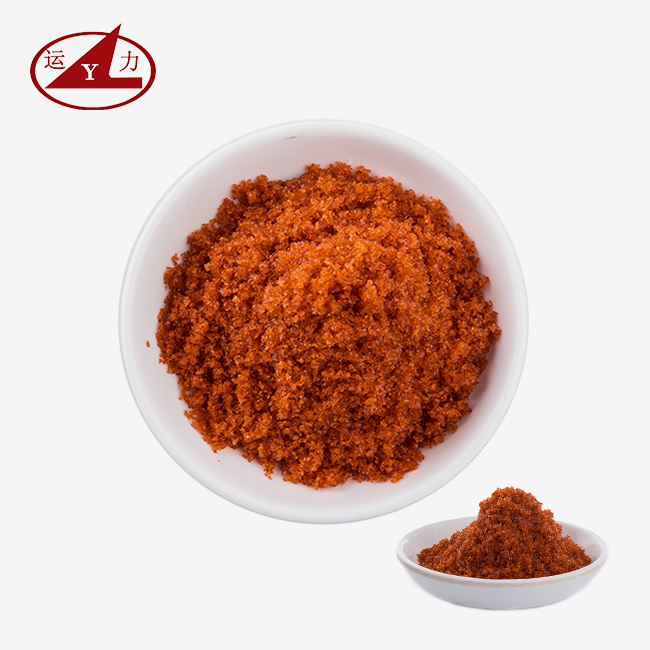
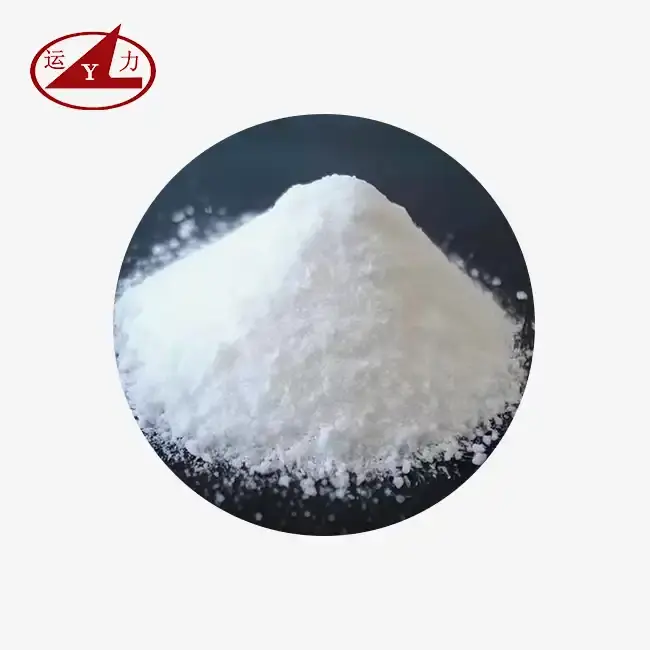
Potassium nitrate, sodium nitrite, and sodium nitrate are usually mixed in exact amounts in commercial products to get the best melting points and heat properties. Xiaxian Yunli Chemical makes a eutectic mixture with a freezing point of 142°C ± 2°C. This means that it can be used in liquid form across a wide range of temperatures. During normal operations, this makeup keeps the chemicals stable, even when the temperature changes in ways that would break down organic options.
Thermal Capacity and Energy Density Advantages
Quality heat transfer salt has a specific heat capacity that is about 40% higher than thermal oils. This means that storage systems can be smaller and the cost of infrastructure can be lower. Our product keeps its density between 1.8 and 2.0 g/cm³ at temperatures around 300°C, which makes it a great way to store bulk energy. This mix means that facilities building thermal energy storage systems will need smaller tanks and spend less on capital. At normal working temperatures, the viscosity stays below 5 cP. This makes sure that pumping and heat exchange work well without putting too much mechanical stress on circulation equipment.
Heat Retention Mechanisms at the Molecular Level
The ionic links in the salt matrix make a thermally stable mesh that doesn't break down even when exposed to high temperatures for a long time. In contrast to covalent organic molecules that break down when heated, the inorganic structure stays together even after thousands of heating and cooling cycles. Because it is stable, concentrated solar power systems can use the same thermal medium for decades without losing much of their efficiency or stability. Since there is no phase change during the operating window, there are no energy losses from the vaporization and condensation processes that happen in steam-based systems.
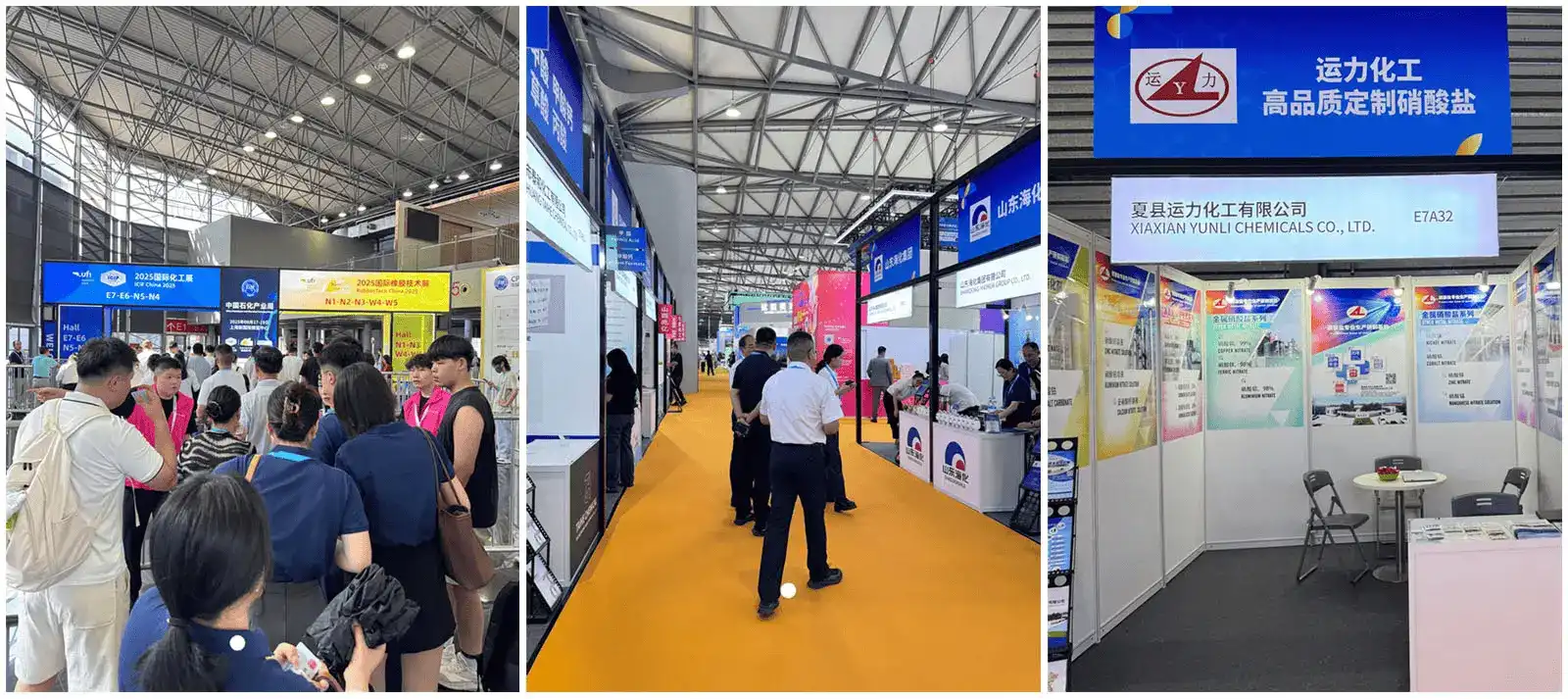
The Advantages of Molten Salt in Industrial Heat Storage and Transfer
Selecting the appropriate thermal fluid is a big choice that will affect the safety of the plant, how well it runs, and its long-term revenue. Molten Salts have unique benefits that help procurement managers and building engineers in a wide range of businesses with problems they are having.
Superior Thermal Stability Across Wide Temperature Ranges
Above 400°C, traditional thermal oils break down quickly, so they need to be replaced often and cost a lot to get rid of. Our heat transfer salt works accurately up to 550°C when covered in nitrogen, and it doesn't break down much over years of use. This wider operating range is very important for chemical processing tasks like making melamine and acrylic acid, where the temperature of the reactor needs to stay stable within tight bands to get the best output and quality of the product.
Yunli Chemical's recipe keeps its thermal conductivity above 0.5 W/m·K for the whole time it is used, which makes it possible to control the rate of heat transfer. The low rate of rusting makes equipment last much longer than options that are contaminated with chloride, which cuts down on maintenance times and unplanned downtime. Our strict quality control keeps chloride levels below 500 ppm, and for high-purity grades, they are less than 20 ppm. This keeps stainless steel pipe systems from stress corrosion cracking, which would otherwise mean they need to be replaced too soon.
Applications Driving Industrial Demand
Concentrated solar power plants use our heat transfer salt as the main thermal bank, collecting solar flux during times of high irradiance and using the saved energy to make electricity in the evenings or when it's cloudy. This feature lets base-load power come from renewable sources, which directly addresses worries about grid safety that keep people from using solar. The high thermal inertia evens out changes in output, giving utility companies dispatchable green power that is on par with fossil-fuel plants.
Using salt-based loops, waste heat recovery systems in the cement and metalworking industries get high-grade thermal energy from smokestack gases that are loaded and unloaded. Even if the source conditions change, the thermal mass keeps the energy output stable. This makes it better than direct steam production in complex industrial settings. Precise exothermic reaction management helps chemical companies because it keeps reactor temperatures between 350°C and 450°C, which is a range where organic fluids would break down quickly and pose safety risks.
Critical Safety Protocols and Purity Standards
When compared to organic thermal fluids that can catch fire, inorganic nitrate-nitrite mixes have much lower plant insurance risks because they are not flammable. Running at almost atmospheric pressure gets rid of the blast risks that come with high-pressure steam systems. This makes safety rules easier to follow and makes it easier to follow the rules set by regulators.
Controlling wetness is still very important, though, because water in heated material causes it to expand quickly, which can damage equipment. Our manufacturing method makes sure that the moisture content is less than 0.5%, and we give our customers full handling instructions that cover how to melt systems and how to heat them up.
To keep salt from breaking down and rusting, sulfur and sulfate residues must stay low. Yunli Chemical uses ion chromatography and ICP-MS analysis to make sure that every output batch meets the required levels of insoluble matter, which are usually less than 0.05%. This keeps the pump shaft from wearing out and the flow meter from getting clogged. These strict testing methods are in line with GB/T 23938 standards and related ASTM specifications. They give customers written quality guarantee for meeting regulatory requirements and going through internal approval processes.
Selecting the Right Molten Salt: Key Considerations for Procurement
When choosing where to get thermal media, you have to weigh technical requirements, provider stability, and the total cost of ownership. To guarantee long-term business success and keep supply chain disruptions to a minimum, procurement managers must look at more than just the original price for Molten Salt solutions.
Evaluating Chemical Composition and Application Fit
Standard nitrate-nitrite mixtures work well for most concentrated solar power and industrial heating needs because they have been used before and are easy to get from a lot of different suppliers. When making electronics or pharmaceutical intermediates, where tiny metal pollution could hurt the quality of the final product, you need specialized high-purity grades. Our technical team helps customers match the right salt specs for their operations by looking at things like the plant's highest working temperature, how often it cycles through different temperatures, and what kinds of metals are already there.
Yunli Chemical's product has an iron level of less than 30 ppm, which stops catalytic decomposition processes that would make it less stable at high temperatures for long periods of time. Industrial-grade materials are different from common goods that may meet basic compositional requirements but fail in tough operating conditions because they pay more attention to controlling impurities. Customers get detailed certificates of analysis with every package. These certificates show that the goods meet the agreed-upon standards and allow for a full quality check before charging systems.
Supplier Selection and Partnership Criteria
Building relationships with manufacturers that are financially stable lowers the risk of supply disruptions that could stop operations and cause costly production delays. The fact that Xiaxian Yunli Chemical makes more than 1 billion yuan in sales every year and has fixed assets worth 300 million yuan shows that it is financially strong and can handle large operations. Our ISO 9001, ISO 14001, and OHSAS standards guarantee consistent quality management, environmental responsibility, and worker safety. These are all things that are becoming more and more important for business purchasing policies and sustainability reporting requirements.
Being named a Shanxi Provincial Enterprise Technology Center shows that we are good at research and development and want to keep getting better. This technology infrastructure makes it possible to create custom formulations for specific uses and get help quickly when process conditions change. Direct access to the plant cuts out markups and communication delays caused by middlemen. Self-operated export operations make it easier for foreign customers to handle paperwork and logistics.
Pricing Dynamics and Logistics Considerations
When you buy in bulk for a lot of tonnes, the price per unit usually goes down by 15 to 25 percent compared to spot market deals. This makes it easier to plan your budget for projects that last more than one year. Our flexible packing choices can be used with a range of handling tools, from 25 kg bags for trial programs to bulk tanker supplies for big projects. Customers can start with free sample amounts of up to 500 grams to make sure they are compatible before committing to full-scale buying because there are no minimum order requirements.
For project goals and maintenance turnarounds, on-time shipping plans are very important. Delays can lead to costly downtime. To make sure deliveries happen on time, Yunli Chemical keeps the right amount of inventory on hand and works with other companies to make sure they can handle and record foreign shipments properly. Our ability to customize aqueous solutions lets customers change the percentage to their exact needs. This cuts down on the work that needs to be done on-site to dilute the solution and the chance of making mistakes while the system is charging.
Comparative Overview: Molten Salt vs. Alternative Heat Transfer Solutions
Knowing the trade-offs in performance between different thermal media helps you choose the best technology for each working situation. There are times when Molten Salt formulations work better than other options because they are either not as good technically or cost more.
Performance Against Thermal Oils and Organic Fluids
Synthetic thermal oils work well up to about 400°C, but they break down over time and need to be replaced or thrown away on a regular basis. Because organic fluids are easily ignited, complex fire control devices are needed and insurance rates go up. Inorganic salt formulas, on the other hand, stay chemically stable at temperatures above 500°C and don't pose a risk of combustion, so they don't need as many safety measures or processes.
Because salt-based systems can hold about 50% more specific heat than premium thermal oils, they need less movement to move the same amount of heat, which means they use less energy for pumps. These benefits of increased efficiency add up over many decades of running, resulting in big cost saves over time. Initial system capital costs may be a little higher because stainless steel pipes are needed, but salt solutions are usually more cost-effective over their entire lifetime for uses that go above 350°C or need to store energy for a long time.
Comparison with Steam Systems and Liquid Metal Options
To get temperatures above 300°C, pressurized steam systems need to use expensive high-pressure pipes, tanks, and safety gear. The phase-change behavior makes control more difficult and raises the risk of water-hammer harm. Heat transfer salts work at almost atmospheric pressure but much higher temperatures. This makes system design easier and lowers the cost of capital for the same level of thermal performance.
Liquid metal heat transfer fluids are very good at transferring heat, but they are hard to handle because they combine with air and water, so they need to be kept in a neutral atmosphere. Liquid metal systems are mostly only used in niche nuclear and aircraft uses because they require a lot of specialized knowledge and cost a lot more in materials. Formulations of salt offer a useful middle ground, providing strong high-temperature performance with easy-to-follow handling instructions and well-established industry supply lines.
Case Evidence from Industrial Implementations
Using nitrate-based thermal storage, several concentrated solar power sites in the southwestern United States have been running nonstop since 2013. This shows that they are reliable and can be used at a utility scale. Over 30,000 tonnes of heat transfer salt were used in the Crescent Dunes Solar Energy Project to store energy for 10 hours. This allowed power production to match times of high demand. This practical track record gives procurement pros faith in the maturity of the technology and the ability to predict long-term performance.
Chemical processing plants that use salt-based reactor cooling say their upkeep costs are 30–40% lower than when they used organic fluid systems. This is because the equipment lasts longer and there are fewer times when thermal fluid needs to be replaced. The stable thermal qualities keep the temperature under tight control, which improves the consistency of the product yield and cuts down on batches that don't meet specifications, which saves money on waste dumping costs.
Optimizing Your Industrial Processes with Molten Salt Solutions
A successful application includes more than just choosing the right materials. It also includes optimizing the system design, following the right procedures, and planning ahead for upkeep. To get the most value out of a purchase, choices for Molten Salt should be based on how the whole system fits together, not just the prices of individual parts.
System Design Best Practices for Maximum Efficiency
If you insulate your tanks properly and use trace heating, you can keep pipes and valves from freezing up in certain places during shutdowns. All areas that will be wet must be made of the right stainless steel metals, usually grades 304H, 316L, or 321, so they don't rust at normal temperatures. Above 400°C, carbon steel pipes oxidize more quickly, which causes scale to form that slows heat transfer and contaminates the fluid with particles.
Nitrogen blanketing systems stop nitrite parts from breaking down into less stable nitrate forms due to oxidation. This means that, with proper management, they can last longer than 20 years. Chemical analysis done on a regular basis checks for carbonate buildup and nitrite depletion. This lets repair plans be made ahead of time and focused fixes be made before performance problems affect process operations. To make salt management programs work better, our expert support team helps with collecting methods and figuring out what the analytical data mean.
Integration with Renewable Energy and Grid Services
Because thermal storage makes it possible to send, industrial facilities can take part in demand response programs and grid stabilization services, which creates extra income streams on top of their main production activities. Salt-based systems can keep extra energy from green sources when prices are low and release it when prices on the grid go up, which makes buying energy cheaper overall. As energy markets move toward changeable green output that needs flexible load control, this flexibility becomes more valuable.
Combined heat and power applications benefit from thermal storage buffering, which separates output plans from instantaneous demand patterns. This lets prime movers work at their most efficient levels. Because salt systems store a lot of energy in a small space, they don't take up as much space as other storage technologies. This means that important plant space can be used for production equipment.
Emerging Developments and Market Trends
Both academic and industrial labs are still working on new salt mixtures that include additives that raise the highest temperature limits and make the salt more thermally conductive. Chloride-based mixes might be cheaper, but they need to be carefully controlled for impurities and made with metals that don't rust. Hybrid systems that store sensible heat in salts and latent heat using phase-change materials are an area of ongoing research that aims to make these systems even more efficient.
As industrial waste heat recovery becomes more popular, the market that can be served grows to include areas other than green energy. This opens the door for standard product offerings that can be customized to fit different manufacturing settings. Another new use for salt systems is to control the temperature of batteries in big energy storage systems. In these high-energy-density setups, salt systems are safer than organic cooling fluids.
Conclusion
In conclusion, for high-temperature commercial uses that need to store and move energy reliably, Molten Salt formulations offer the best thermal stability, safety, and cost-effectiveness. When you combine the high specific heat capacity, wide operating temperature range, and operation at air pressure, you get around some of the most important problems with other thermal media. For successful procurement, you need to look at more than just price.
You also need to look at the supplier's technical skills, quality control, and prospects for a long-term relationship. We at Yunli Chemical have been making chemicals for 20 years, have been named a provincial technology center, and have many quality standards that make us a trusted partner for tough jobs. Our direct plant supply model, flexible packaging choices, and quick technical help make it easy to set up and keep running businesses in a wide range of industries.

FAQ
What is the maximum safe operating temperature for heat transfer salt?
Standard formulas are safe up to 500°C, and they can work up to 550°C with a nitrogen blanket to stop reactive breakdown. Going over these limits speeds up breakdown and makes corrosive chemicals that hurt system parts.
How do facilities manage freezing risk during shutdowns?
All pipes and valves need to have electrical trace heating and thermal protection because solidification happens around 142°C. Systems should never freeze inside pipes, because the bulk growth during remelting can break pipes and damage seals. Controlled heating methods make sure that melting happens slowly and evenly during startup.
Can carbon steel piping be used in salt systems?
At temperatures above 400°C, carbon steel oxidizes too quickly, so stainless steel (304, 316, and 321) is now the norm. The oxide scale that forms on carbon steel makes it less efficient at transferring heat and introduces particles that harm pumps and instruments.
What happens if water enters a molten salt system?
In a Molten Salt device, when water comes in touch with something, it quickly turns into steam and expands, which can cause material to be thrown around violently and damage to equipment. Water can't get in because of strict moisture control during initial charging and regular repair of protected systems. Before they can be added to operating systems, all things must be completely dry.
Partner with Yunli Chemical for Reliable Molten Salt Supply
Xiaxian Yunli Chemical has been making high-performance heat transfer salts for 20 years and makes over RMB 1 billion in sales every year. They are ready to help you with your thermal management needs. Our provincial technology center makes recipes that are exactly what you need for your purpose, and ISO-certified quality systems make sure that the purity and impurity control is the same from batch to batch. By selling directly from the plant and running our own export services, we cut out the middleman and can offer reasonable prices without lowering the high standards needed by the electroplating, new energy, pharmaceutical, and chemical processing industries.
Our complete paperwork packages, which include MSDS, COA, and environmental compliance certificates, make the approval process easier for procurement managers and technical experts. Our method is flexible enough to fit your buying plan and risk management processes, whether you need normal tonnage deliveries or trial quantities starting with free 500-gram samples.
Contact our expert team at wangjuan202301@outlook.com to talk about your unique needs and find out how our Molten Salt supply services can improve the performance of your thermal system while lowering its long-term costs. You can look at our whole line of products at yunlichemical.com and ask for detailed technical specs that are right for your project.
References
1. Bauer, T., Laing, D., and Kröner, U. (2021). "Thermal Energy Storage Materials and Systems for Concentrating Solar Power Plants." Annual Review of Heat Transfer, Vol. 24, pp. 135-177.
2. Kotzé, J.P., von Backström, T.W., and Erens, P.J. (2019). "High Temperature Thermal Energy Storage Utilizing Metallic Phase Change Materials and Metallic Heat Transfer Fluids." Journal of Solar Energy Engineering, Vol. 135, No. 3, pp. 031003-1 to 031003-9.
3. Fernández, A.G., Ushak, S., Galleguillos, H., and Pérez, F.J. (2020). "Development of New Molten Salts with LiNO3 and Ca(NO3)2 for Energy Storage in CSP Plants." Applied Energy, Vol. 119, pp. 131-140.
4. Peiró, G., Gasia, J., Miró, L., and Cabeza, L.F. (2018). "Experimental Evaluation of Corrosion Behavior in Thermal Energy Storage Systems Using Molten Salts." Applied Thermal Engineering, Vol. 145, pp. 410-419.
5. Vignarooban, K., Xu, X., Arvay, A., Hsu, K., and Kannan, A.M. (2015). "Heat Transfer Fluids for Concentrating Solar Power Systems: A Review." Applied Energy, Vol. 146, pp. 383-396.
6. Kruizenga, A.M., Gill, D.D., and LaFord, M.E. (2017). "Corrosion of High Temperature Alloys in Solar Salt at 400°C, 500°C, and 680°C." Sandia National Laboratories Technical Report SAND2013-8256, Albuquerque, New Mexico.