


Why Zinc Nitrate Hexahydrate Matters for Plating and Agriculture
Zinc nitrate hexahydrate (CAS# 10196-18-6, Zn(NO₃)₂·6H₂O) sits at the intersection of two demanding industries: metal surface treatment and precision agriculture. With a molecular weight of 297.47 g/mol and complete solubility in water and alcohol, this crystalline compound delivers bioavailable zinc and oxidizing capacity that neither zinc sulfate nor zinc oxide can match at equivalent concentrations. Whether you are formulating a phosphating bath for automotive steel or building a water-soluble micronutrient fertilizer, the purity and consistency of your zinc source directly determines the quality of your end product.

Understanding Zinc Nitrate Hexahydrate: Chemical and Physical Properties
Core Physical Characteristics Worth Knowing
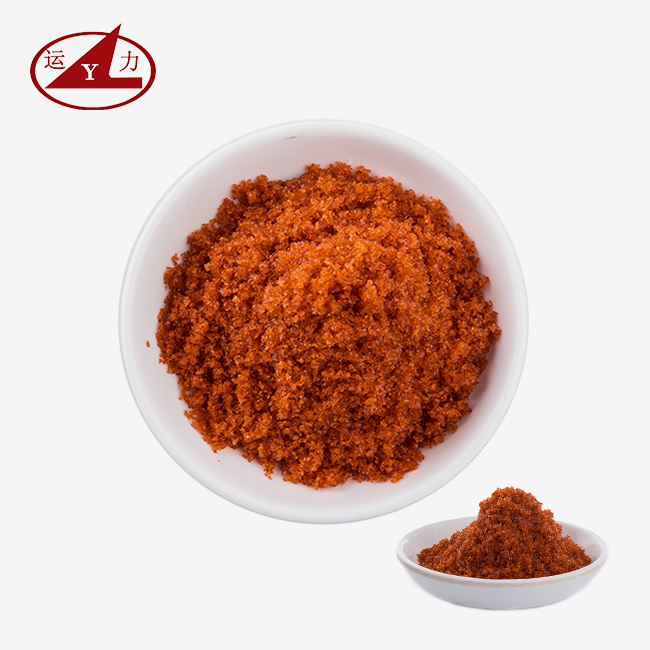
White, four-sided crystals with a specific density of 2.065 make up zinc nitrate hexahydrate. At 36.4°C, it melts. The molecule changes to its dry state at about 37°C, so the temperature needs to be controlled while it is being stored. Very hygroscopic means it takes in a lot of water from the air. If it is not covered properly, it can melt or cake. Its water-based solution has a pH range of 3.5 to 4.5, which engineers need to think about when they make the plating bath and how to mix the fertilizer.
Safety and Handling Fundamentals
Oxidizers are things like zinc nitrate hexahydrate (UN 1514, Class 5.1). To keep it safe, keep it away from organic solvents and reducing agents. It makes fires stronger when it comes in contact with them. You shouldn't eat it. For the product to stay pure throughout the supply chain, workers should keep it in a cool, dry, and airtight space, preferably with a PE inner liner and a PP outer bag.
Why Zinc Nitrate Hexahydrate Is Essential for Plating Applications
Electroplating and Phosphating Performance
Zinc nitrate hexahydrate is used to speed up the phosphating of iron and steel in surface treatment baths because it oxidizes. Phosphating creates a thick, fine-grained conversion layer that helps paint stick and stops corrosion, two very important things for parts in cars and factories. Zinc chloride helps the under-film wear away faster by adding chloride ions. Ions that are bad for you are not left behind by the nitrate-based form. Electroplating baths made with ultra-pure zinc nitrate also follow the rules for RoHS compliance for three-valent chromium systems. This lets manufacturers take a stand on regulations that they can defend.
The practical advantage extends to bath stability. There are times when too much iron (Fe) in the zinc source makes the plating solution break down. This leaves behind uneven deposits and higher costs for rework. Fe levels at Yunli Chemical are kept at 30 parts per million (ppm) and Pb levels at 50 ppm. That way, the bath will last a long time, and the coating will stay the same from one run to the next.
Zinc Nitrate Hexahydrate in Agriculture: Enhancing Crop and Soil Health
Zinc Deficiency and the Case for Nitrate-Based Sources
About half of the world's farmland doesn't have enough zinc, according to the Food and Agriculture Organization. This means that not getting enough zinc is one of the most common vitamin problems that stops plants from growing. This is directly dealt with by zinc nitrate hexahydrate, which gives you zinc and nitrate nitrogen all in one fully water-soluble source. This two-nutrient profile speeds up root uptake more than zinc oxide or zinc carbonate, which need the soil to become acidic before plants can use them.
For fertigation systems and foliar spray applications, you have to make sure that the chemicals dissolve all the way. Filters that emit particles get clogged, hydroponic nutrient solutions get messed up, and nutrients are spread out unevenly across fields. These issues can no longer happen as high-purity zinc nitrate dissolves quickly, even in strong stock solutions.
Regulatory Compliance for Agricultural Buyers
When gardening with zinc nitrate, you need to be careful around heavy metals. Officials in the US, EU, and more and more in Southeast Asia will not stand for lead and cadmium to build up in farmland. This is a long-term problem. The amount of Pb and Cd in Yunli Chemical's material for farming is much less than what the EU Fertilizing Products Regulation allows. This shows that the buyers have what they need to get their goods on the market and registered.
Navigating Procurement: How to Source Quality Zinc Nitrate Hexahydrate?
There are more things to think about than just price when you're looking for synthetic zinc salts. These things always show if doing business with a company will be worth it in the long run.
Here are the critical checkpoints experienced procurement managers apply:
- Batch Certificate of Analysis (COA): Check each lot for zinc nitrate hexahydrate (≥98% industrial grade), iron (≤30 ppm), lead (≤50 ppm), and material that doesn't dissolve in water (≤0.05%). Low-quality makers often have problems with quality control because the amount of heavy metals in each batch varies.
- Packaging integrity: Things that soak up water need packaging that keeps air and water out. The seller should use the right kind of PE-lined bags, IBC totes, or covered bulk trucks for your order and the weather.
- One-stop supply capability: The ability to get zinc nitrate, calcium nitrate, and magnesium nitrate all from the same manufacturer makes freight easier, makes it easier to find a reliable supplier, and can often lead to a better volume price.
- Sample availability: You can get samples. A reputable maker will give you pre-order samples—up to 500 grams for free is standard in this field—so your R&D or recipe team can make sure they work well with each other before you buy a lot of them.

Making the Right Choice: Zinc Nitrate Hexahydrate Compared to Alternatives
When engineers evaluate zinc compounds, the comparison is rarely straightforward. Zinc sulfate monohydrate isn't too expensive, but it does add sulfate ions to the soil, which makes it saltier over time. Zinc chloride is simple to dissolve, but it is acidic and makes soldering baths dirty, even ones that are supposed to be clean. By weight, zinc oxide has a lot of zinc in it, but it doesn't dissolve well in cold or warm water. In other words, it can't be used in systems that use liquid fertilizer or in industrial formulas that need to be thin with water.
These trade-offs are successfully negotiated by zinc nitrate hexahydrate. Other choices are less open than this one because it doesn't have any sulfate or chloride ions and can be used with most liquid surface treatments and nutrients. It is the best starting material for making ceramics and catalysts because it breaks down at high temperatures and leaves behind pure zinc oxide. Sulfate or chloride calcination, on the other hand, would leave behind impurities that would make the final product less useful.
Conclusion
Zinc nitrate hexahydrate is one of the main ingredients used in precision gardening and to treat the surface of metal. It's not just an extra. There are no technical problems with it because it dissolves quickly, oxidizes, and has a clean ionic profile. Cheaper choices can cause these problems. Check the purity, make sure there are controls on heavy metals, and work with a company that can supply regularly on a large scale. This makes it easy for buying managers to make a choice. An easy way for a company to keep costs down is to keep an eye on the quality of the raw materials.
FAQ
Is zinc nitrate hexahydrate safe to store alongside other fertilizer raw materials?
Because it's an oxidizer (Class 5.1, UN 1514), it should be kept away from things that can catch fire and things that make the air less oxygenated. It is normal to keep things separate in a cool, dry, well-ventilated space that has lids on the cases. It can't be stored with organic materials or solvents that can catch fire.
Why does my zinc nitrate appear to liquefy during summer storage?
At 36.4°C, this will melt. The stuff soaks up water and partially dissolves in its own clear water when it's hot and sticky. Airtight, moisture-barrier packaging and temperature-controlled warehousing below 35°C resolve this reliably.
Can zinc nitrate hexahydrate be mixed with phosphate fertilizers in a tank?
Be careful here. High phosphate levels can make zinc phosphate that is not soluble at some pH levels. This makes nutrients less available and plugs up washing tools. It's always best to do a jar test first before adding a new tank mix blend.
What packaging options are available for bulk buyers?
You can use standard 25 kg moisture-barrier bags, IBC totes, or bulk liquid trucks. Labels and boxes can be made to order based on what the end market wants.
Partner with Yunli Chemical for Reliable Zinc Nitrate Hexahydrate Supply
It is known that Yunli Chemical makes zinc nitrate hexahydrate. They have been in business for more than 20 years, are ISO 9001 certified, and can export directly from their factory. It comes in grades that are ≥98% pure and have strict controls on heavy metals. They also give away free samples of up to 500g and have more than 60 types of nitrate in one place. To get a COA, SDS, or bulk quote, email us at wangjuan202301@outlook.com.
References
1. Food and Agriculture Organization of the United Nations. Micronutrient Deficiencies in Global Crop Production. FAO, 2012.
2. Schlesinger, W.H., & Bernhardt, E.S. Biogeochemistry: An Analysis of Global Change (3rd ed.). Academic Press, 2013.
3. European Commission. Regulation (EU) 2019/1009 on EU Fertilising Products. Official Journal of the European Union, 2019.
4. Lowenheim, F.A. Modern Electroplating (4th ed.). John Wiley & Sons, 1974.
5. Rausch, W. The Phosphating of Metals. Finishing Publications Ltd., 1990.
6. Marschner, H. Mineral Nutrition of Higher Plants (3rd ed.). Academic Press, 2012.